
“Over 60% of commercial leases are negotiated with a tenant improvement allowance, making TIA knowledge a critical skill for any tenant or property owner.”
If you’re considering leasing commercial space, here’s a number that might surprise you: over 60% of commercial leases include a tenant improvement allowance (TIA). Yet, many small business owners, property managers, and even first-time landlords say they still feel lost about what a TIA really covers, who pays for what, and how it impacts their lease or investment. This guide breaks down tenant improvement allowance in plain English. By the end of this article, you’ll understand how TIAs work, how to negotiate them, and how to avoid costly mistakes—whether you’re renting your first office or managing your twentieth property.
What You’ll Learn About Tenant Improvement Allowance
- The basics of tenant improvement allowance (TIA) and why they matter in commercial real estate
- How to calculate and negotiate improvement allowances
- What TIAs usually cover and common mistakes to avoid
- Regional considerations, practical DTLA realities, and key checklist questions
Defining Tenant Improvement Allowance and Why It Matters
What is a Tenant Improvement Allowance?
A tenant improvement allowance (TIA) is a financial incentive offered by landlords to help tenants customize a commercial space—such as an office, retail shop, or medical suite—to fit their specific business needs. TIAs are typically expressed as a dollar amount per square foot (usually $10/SF to $100+/SF, depending on market conditions and property class). The allowance is used to cover the cost of improvements like new walls, floors, lighting, or HVAC upgrades that increase the functionality of the leased space.
The mechanics are straightforward: the landlord agrees to cover the cost of tenant improvements up to a certain amount, and the tenant is responsible for costs incurred beyond that cap. This arrangement helps balance both parties’ interests—landlords enhance the marketability of their space, and tenants get help with upfront buildout costs that can otherwise be a substantial barrier.

Why Tenant Improvement Allowances Are Critical in Commercial Real Estate
In the world of commercial real estate, tenant improvement allowances can make or break a lease negotiation. For tenants, a well-structured TIA means moving into a space tailored to your business, with substantial savings on construction costs. For landlords, offering a competitive improvement allowance improves occupancy rates, makes the property more attractive in a tight real estate market, and supports higher lease rates by offering customized, modernized space.
It’s important to note: since both construction costs and space requirements can vary depending on local codes and needs, negotiating a fair TIA up front is essential. A poorly defined or underfunded allowance can result in unexpected out-of-pocket expenses, project delays, or even a failed lease negotiation. In high-demand markets—especially urban areas—the stakes (and dollar amounts) get even higher.
Tenant Improvement Allowance vs. Leasehold Improvements
These terms are often confused but have key differences. The tenant improvement allowance is the budget or reimbursement provided by the landlord to the tenant for construction. In contrast, leasehold improvements refer to the actual physical upgrades made to the leased space, regardless of who pays for them. Once the improvements are completed, they usually become the property of the landlord when the lease ends (unless stated otherwise in the lease agreement).
“A well-negotiated improvement allowance can mean the difference between a successful buildout and costly overruns.”
Who Pays for Tenant Improvements? Breaking Down the Improvement Allowance

Landlord vs. Tenant Responsibilities in Tenant Improvement Allowance
Typically, the landlord pays for tenant improvements—up to the maximum allowance agreed upon in the lease. This could be delivered as a lump sum, a reimbursement after project completion, or a turnkey agreement (where the landlord manages and pays contractors directly). However, costs above the TI allowance fall to the tenant, as do “soft costs” like design fees or furniture, unless specifically negotiated. Tenants should always verify their responsibilities to avoid budget overruns or delays caused by unclear expectations.
For landlords, offering a well-calculated TIA helps fill vacancies faster and at higher rents, but going overboard can cut into returns. Both sides should carefully weigh which party manages the buildout, who selects vendors, and how any “costs incurred” above the allowance are handled.
Who Owns the Improvement After Lease End?
Leasehold improvements (walls, plumbing, lighting, built-in fixtures) typically become the property of the landlord once installed, even if the tenant paid for them above the maximum allowance. Unless your lease agreement states otherwise, tenants cannot take built-in improvements with them at lease end—they “run with the property.” This key point impacts future rent payments, space planning, and business expenses.
Some leases call for restoring the space to its “as-delivered” condition. This can involve costly demolition—be sure your agreement clearly states if you must remove improvements when moving out.
Lease Structures: Gross Leases, Net Leases, and Their Impact on Tenant Improvement Allowance
The lease structure affects how TIAs are paid and calculated. In a gross lease, the landlord pays for most building expenses (taxes, insurance, maintenance), and the improvement allowance may be higher since other costs are included. In a net lease, tenants cover additional expenses, so the structure of the tenant improvement allowance takes on even greater importance in negotiable terms. Understanding your lease structure ensures you don’t accidentally take on extra construction costs, maintenance fees, or responsibilities.
Always confirm how TIAs are broken out in your lease agreement—this small detail can significantly impact your total out-of-pocket costs.
How Tenant Improvement Allowance Is Calculated and Delivered
What is a $40 Tenant Improvement Allowance?
A “$40 tenant improvement allowance” means the landlord will reimburse or pay up to $40 per square foot for qualifying upgrades. For example, in a 2,000-square-foot suite, a $40/SF allowance provides the tenant with an improvement fund of $80,000 for the project. If the actual construction costs less, the savings may stay with the landlord or be applied to other expenses—if your lease allows it. If costs exceed the allowance, the tenant must pay the difference.

What is a Reasonable TI? Industry Standards and Local Market Trends
Reasonable tenant improvement allowances vary based on the region, building age, and use. In most U.S. commercial real estate markets, basic TI allowances run $10–$40/SF for second-generation spaces and $40–$100+/SF for new, Class A, or medical/tech buildouts. In urban markets like Downtown Los Angeles (DTLA), higher costs and stricter codes can push the top end much further. Always ask your broker for comps and check local construction costs before settling on a number—what’s “reasonable” in Dallas may fall short in DTLA.
Remember: the maximum amount of the TI allowance is not set in stone; it’s a negotiation point reflecting the property’s desirability, market demand, and tenant leverage.
Methods for Delivering Tenant Improvement Allowances: Reimbursement, Turnkey, Managed
Landlords can deliver the TI allowance in several ways:
- Reimbursement: Tenant pays construction up front, then submits invoices for landlord to repay up to the maximum amount.
- Turnkey: Landlord handles design, construction, and vendors; the space is delivered “move-in ready.”
- Managed allowance: A hybrid approach; the tenant manages the buildout but landlord controls payments and approvals.
“TI amounts can range drastically—from $10/SF basic buildouts to $100+/SF for high-end office or medical renovations.”
What is a TIA Reimbursement? Step-by-Step Guide
A TIA reimbursement means the tenant completes construction and pays contractors directly, then provides documentation to the landlord for repayment up to the agreed TI allowance. The typical process is:
- Tenant finishes eligible improvements.
- Collects and submits paid invoices, lien waivers, and project approvals.
- The landlord reviews paperwork, may inspect the space, then issues payment—either as a lump sum or as progress draws.
- Any costs above the allowance are paid by the tenant.
Typical Covered Items in Improvement Allowances
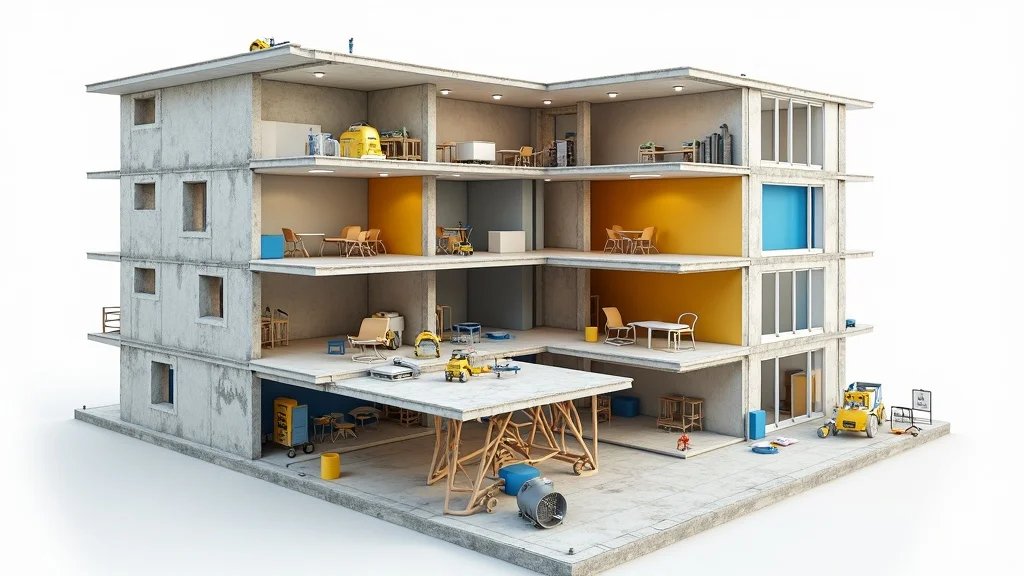
TIAs are intended to pay for the fixed elements that make a commercial space functional, code-compliant, and ready for occupancy. Common covered items include:
- Walls and partitions
- Flooring and ceilings
- Lighting and electrical
- HVAC, plumbing, and fire/life safety
- Fixtures, signage, finishes (sometimes by negotiation)
What Is Not Covered by Most Tenant Improvement Allowances
Excluded costs usually fall outside of the scope of “permanent improvements.” Most improvement allowances exclude:
- Furniture, fixtures and equipment (FF&E)
- IT, security systems, move-in costs
- Design fees (unless negotiated)
| Included in Most TI Allowances | Excluded Unless Specifically Negotiated |
|---|---|
| Walls, partitions, drywall, paint | Furniture, fixtures (movable desks, chairs) |
| Flooring, ceilings, windows | AV/IT systems, wireless, security cams |
| Lighting, electrical outlets, wiring | Design, architectural and permit fees |
| HVAC, plumbing, life-safety upgrades | Moving costs, temporary power or comms |
| Built-in signage or bathroom upgrades | Decor, signage (unless specified) |
How to Negotiate Your Tenant Improvement Allowance
Negotiating Strategies for Improvement Allowance (Landlords and Tenants)
To get the best value from your tenant improvement allowance, approach negotiations like a major business deal—not a last-minute afterthought. Tenants should prepare a detailed space plan, collect bids, and benchmark TI offers against comparable deals in their market. Landlords, in turn, should consider which upgrades add property value and support higher rents long-term.
Negotiate how “savings” or “unused funds” are treated—can you use the extra for FF&E or rent abatement? Define approval processes and delivery timelines in writing to avoid delays and budget overruns

Timing, Bidding, and Approval Processes
Timing is everything with tenant improvements. Delays in design approval, city permitting, or bidding out the work can disrupt your move-in date—and possibly trigger extra rent payments or penalties. Well-structured leases require both landlord and tenant to approve construction milestones, select vetted general contractors, and define what documentation is required for reimbursement. Always confirm who controls change orders and how surprise “soft costs” will be handled.
The best strategy? Build in extra lead time for permitting, coordinate closely with your broker or project manager, and insist on checkpoint approvals in writing
Metro, Access, and Local Constraints: Realities in DTLA and Other Urban Markets
In dense urban hubs like Downtown Los Angeles (DTLA), unique challenges can impact your tenant improvements. Strict city codes, union labor rules, limited elevator access, and after-hours construction restrictions can increase lead times and raise costs. Schedule extra time for permit approvals, coordinate deliveries to avoid traffic congestion, and budget higher for labor premiums or overtime.
Know your local market—what worked in the suburbs may not translate downtown. Tenant improvement allowances in these areas are often higher, but so are costs and project complexity.
Red Flags and Pitfalls to Avoid with Tenant Improvement Allowances
Avoid these common missteps:
- Assuming “everything is covered”—read the fine print and confirm what is actually included in your TI allowance.
- Ignoring timing or approval language; this can lead to mid-project overruns or finger-pointing if something is delayed.
- Not clarifying who manages construction or change orders; “managed” allowances offer more control but also more risk if not handled well.
- Overlooking soft costs—like furniture or moving expenses—which can be substantial but are usually not part of the allowance.
“Always clarify whether your allowance covers hard or soft costs, and who handles overruns.”
Key Questions to Ask Before Finalizing Your Tenant Improvement Allowance Negotiation
- What is the maximum TIA per square foot, and is it sufficient for your projected builds?
- Are there restrictions on how the allowance can be spent? (Soft vs. hard costs/FF&E/etc.)
- Do you or the landlord choose and manage contractors?
- How are cost overruns handled?
- What is the process and timing for approvals and payments?

Step-by-Step Breakdown: Tenant Improvement Allowance from Start to Finish
- Step 1: Assess your needs and draft a space plan
- Step 2: Obtain and compare TIA offers
- Step 3: Clarify landlord and tenant responsibilities
- Step 4: Manage construction, approvals, and close-out
- Step 5: Final audit and reconciliation of improvement allowance

Tenant Improvement Allowance in Context: Metro Realities, Lead Times, Approvals, and Pitfalls
Regional and Local Market Impact: DTLA Example
The real estate market in Downtown Los Angeles spotlights how TI allowance negotiations are shaped by local factors. Labor costs, union rules, seismic codes, and a competitive environment mean that allowances are often higher ($50–$100+/SF) but so are hurdles to build-out approval and delivery. Tenants should budget more time for plan approval and anticipate higher construction bids—and landlords may demand longer lease terms in exchange for a richer allowance.
Confirm what’s standard in your region before signing. What’s “generous” in secondary markets may be “average” in the heart of DTLA. Leverage your broker’s market knowledge.
Logistics, Approvals, Inspections, and Lead Times
City permitting, fire/safety inspections, elevator access, and after-hours work windows can all drag out a project in urban environments. A well-negotiated tenant improvement allowance should bake in realistic timelines and milestone approvals. Work closely with your property manager to anticipate bottlenecks, and request progress meetings on-site.

After-Hours and Security Constraints in Urban Markets
High-rise office buildings, especially in busy downtowns, often restrict noisy work to after business hours, require special move-in permits, and enforce strict security. These realities can add cost (for overtime labor) and delay (if not planned properly). Confirm access rules early, include these costs in your budget, and get landlord commitments on elevator or dock times in writing.
“DTLA tenants often see longer lead times and added costs due to stricter build-out requirements and logistics.”
People Also Ask: Essential Tenant Improvement Allowance Questions
What is a $40 tenant improvement allowance?
- A $40 tenant improvement allowance means the landlord will reimburse or cover up to $40 per square foot for eligible tenant improvement costs, including construction and some related expenses. Tenants are responsible for costs above this cap.
What is a reasonable TI?
- A reasonable tenant improvement allowance varies by location, building class, and market conditions. Most range from $10 to $100 per square foot, with higher allowances for new, high-demand, or build-to-suit spaces.
What is a TIA reimbursement?
- A TIA reimbursement is when the tenant pays for improvements up front and the landlord repays approved costs up to the agreed allowance, typically after proper documentation and inspection.
What is an example of a tenant improvement?
- Adding partition walls, upgrading lighting, installing new flooring, or renovating bathrooms are all examples of tenant improvements commonly covered by TIAs.
Real Estate and Tax Implications of Tenant Improvement Allowances
Tax Implications for Tenants and Landlords
The tax implications of TIAs can be complex and change based on how the allowance is paid out. Typically, tenants do not pay tax on the allowance if it’s used directly for qualifying improvements. However, if the allowance is given as cash or rent credit, it may be considered income. Landlords may depreciate the cost of improvements, while tenants can sometimes expense or amortize their buildout investment. Always consult a real estate tax professional for current rules and reporting requirements.
Knowing the difference between hard and soft costs, and how expenditures are documented, is crucial for accurate tax reporting and to leverage any available deductions.
Reporting Tenant Improvement Allowance on Financial Statements
On the financial statement, TIAs impact both landlords and tenants. For landlords, allowances are often capitalized and depreciated as a property asset. For tenants, especially if they contribute their own funds, improvement costs may be capitalized as leasehold improvements and amortized over the lease term. Be sure your accountant tracks both the major and minor items, and asks clarifying questions at lease signing.
Impact of Tenant Improvements on Real Estate Value and Lease Terms
Well-executed tenant improvements raise the value of commercial real estate—building modern workspace or efficient layouts attracts new tenants and supports higher rents. However, a large TI allowance may be offset by a higher base rental rate or a longer lease commitment. Understand the full economic tradeoff before negotiating for “free” money; nothing in real estate is truly free.
Frequently Asked Questions
- What’s the difference between tenant improvement allowance and turnkey build-out?
TI allowance is a financial contribution that lets the tenant arrange their own buildout and submit for reimbursement. Turnkey means the landlord pays for and delivers a finished space to the tenant’s agreed specs. - Do unused tenant improvement allowances carry over?
Usually not—unused TI funds typically revert to the landlord unless your lease says you get a rent credit. Always clarify up front. - Can you negotiate for unused allowances as rent credit?
Sometimes, yes. If your improvement costs less than the allowance, you may negotiate for leftover funds as a rent abatement or for soft costs like furniture. Landlords rarely offer this automatically, so ask. - What documents should be submitted to claim a TIA reimbursement?
Paid invoices, lien waivers, approved change orders, architect certifications, and “substantial completion” sign-off. Keep your paperwork organized! - Are design and permit fees part of a tenant improvement allowance?
Sometimes, if you negotiate it. Many TIAs exclude design, permitting, and project management fees, but these items can be included if spelled out in the lease.
Key Takeaways
- Always get improvement allowance terms in writing and confirm what is included.
- Be aware of market ranges – ask your broker for comps.
- Factor in timeframes for city approvals and delivery milestones.
- Clarify whether allowances are paid as reimbursement, up-front, or post-completion.
Understanding and negotiating your tenant improvement allowance sets the foundation for a successful, cost-effective commercial lease—get it in writing, ask smart questions, and lean on local expertise.