
Shockingly, office tenants in DTLA who opt for shell space can face up to 12 weeks of added lead time compared to those leasing second-generation offices—impacting both the speed of move-in and cost curves dramatically.
If you’re navigating a commercial real estate search, knowing the difference between shell space vs second generation space is critical. Your choice will shape construction costs, lease negotiations, and even the ability to open your doors on schedule. This field-guide cuts through jargon, highlights the real-world risks and rewards of both TI paths, and arms you with the key questions to ask before you sign anything.
Startling Trends: The Real Cost of Choosing Shell Space vs Second-Generation Space
Across downtown Los Angeles (DTLA) and other major metros, the debate between shell space vs second generation space is more than just a matter of personal taste or brand aesthetics. The hidden costs—delayed occupancy, runaway construction costs, and stretched improvement allowances—can torpedo even the most prepared tenant’s move-in schedule. For small business owners, first-time commercial lessors, and brokers, getting blindsided by the nuances of shell condition can derail a deal at the last moment.
Office space selection today involves unique pressures: tight construction labor markets, unpredictable permitting delays, and supply chain snags for mechanical systems. Recent market data and brokers report that shell space, with its raw, completely unfinished interiors, commonly adds months to the tenant improvement timeline. Meanwhile, second-generation office space—spaces previously occupied with existing walls and services—are increasingly attractive for their move-in ready status and reduced risk. But that doesn’t mean it’s an automatic win; hidden utility issues and code upgrades can trip up even experienced teams.

What You’ll Learn: A Quick Guide to Shell Space vs Second-Generation Space
- Definitions and differences of shell space vs second-generation space
- Cost, speed, and tenant improvement (TI) implications
- Practical risks and red flags
- Metro-specific realities for office space in key cities
- Must-ask questions for brokers, GCs, and property managers
Shell Space vs Second-Generation Space: Fast Definitions
What is Shell Space and Why Does It Matter in Office Space TI?
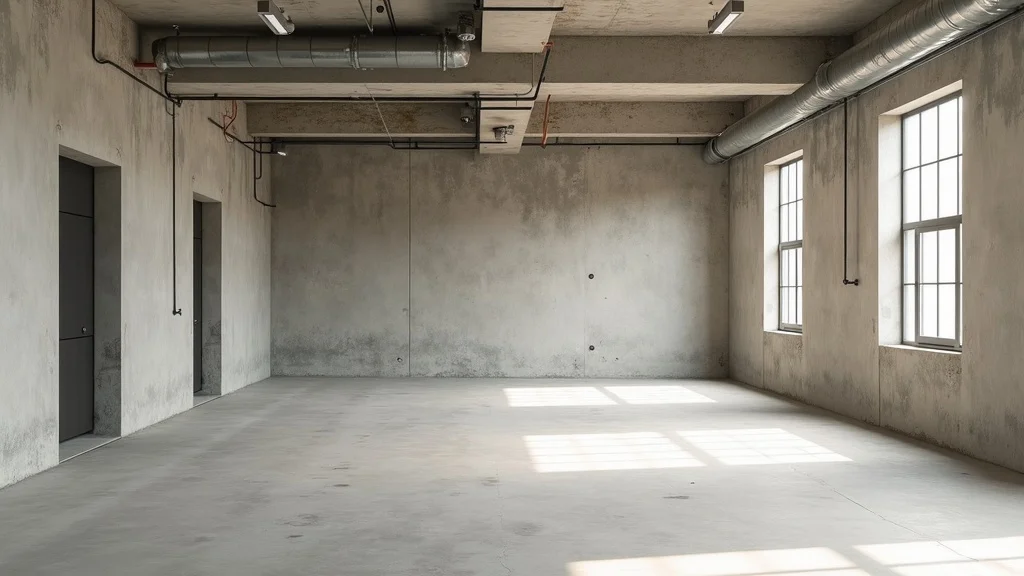
Shell space in commercial real estate refers to an office or retail suite delivered as a blank slate: exposed concrete floors, open ceilings, no interior walls, unfinished restrooms, and mechanical systems (HVAC, electrical, plumbing) often “stubbed in” but not operating. This level of incompleteness—sometimes called a grey shell—offers full customization for new tenants to design a floor plan exactly to their needs. However, it also means all the heavy lifting (and heavy spending) falls on the tenant and their contractor. TI costs skyrocket, and the tenant improvement timeline can stretch to account for permitting, design, and full construction. If move-in speed, budget certainty, or code compliance is a top concern, shell space’s flexibility can quickly morph into a pitfall.
What is Second-Generation Space?
A second-generation space—sometimes called “2nd gen office space”—is a commercial suite previously occupied and already built out. This space usually includes interior walls, finished ceilings, lighting, installed restrooms, and operational HVAC and electrical. The interior space may be move-in ready or require only minor cosmetic updates and layout tweaks. Compared to shell space, second-generation offices typically offer much faster occupancy, lower tenant improvement costs, and less unpredictable risk (thanks to infrastructure left behind by the previous tenant). However, this ready-made setup sometimes requires compromise—accepting an existing floor plan or reworking outdated finishes.
Grey Shell, Warm Vanilla Shell, Vanilla Shell, and Spec Suite: Key Differences
Not all “shells” are created equal in commercial real estate. Here’s a plain-English breakdown:
- Grey Shell: Raw, unfinished space with basic utilities only roughed in. No ceiling grid, no walls, often an open concrete floor. Occupancy speed is slow, and costs are highest.
- Warm Vanilla Shell: HVAC system, finished ceiling, lights, and sometimes restrooms are in place. This shell condition can notably reduce build-out time but still allows significant customization.
- Vanilla Shell: An upgrade over grey shell—offers painted or primed walls, basic flooring, operational mechanical systems, and plumbed restrooms. Move-in may still require some interior improvements, but the biggest headaches are handled.
- Spec Suite: Speculative, pre-built suites designed for rapid tenant occupancy. Finished ceiling, built-out offices, conference rooms, and oftentimes even furniture in place. Lower TI costs and nearly immediate move-in, but with less design flexibility.
| Feature | Shell Space | Second-Generation Space |
|---|---|---|
| Speed to Occupancy | Slow (12–24 weeks) | Fast (2–8 weeks) |
| Build-Out Costs | High (new construction required) | Lower (cosmetic & minor changes) |
| Risk & Complexity | Higher (permitting/unknowns) | Lower (existing utilities, layout in place) |
| Flexibility | Highest (design to suit) | Moderate (adapt existing) |
| Typical Users | Medical, HQ, highly-specialized uses | Tech, law, creative, cost-conscious tenants |
| Tenant Improvement Allowance | Often higher | Usually moderate |
| Permit Risk | High | Moderate–low |
Why Shell Space vs Second-Generation Space Choice Drives Your TI Timeline and Budget
Impact of Shell Condition on Tenant Improvements (TI)
Shell condition is everything when calculating your tenant improvement (TI) scope, cost, and timeline. A grey shell requires you (and your general contractor/GC) to handle every installation—from the ceiling grid to finished floors to mechanical, electrical, and plumbing (MEP) systems. If the floors are bare concrete and the HVAC system is non-operational, your construction costs will jump, and the schedule will stretch as you work through permitting, city inspections, and potential lead time for utility connections.
Second-generation space reduces risk by building on existing infrastructure. With layout, restrooms, lighting, and climate control often functioning, a new tenant can focus on reconfiguring the interior walls, updating finishes, or making minor layout tweaks. Speed is typically 2–3 times quicker than raw shell, with many clients reaching occupancy in under eight weeks. For tenants with limited improvement allowance or who need to minimize downtime and costs, second-generation is usually the lower-risk path.

Risks of Grey Shell and Vanilla Shell vs Spec Suite Build-Outs
Committing to a grey shell or even a vanilla shell space means owning all the unknowns—unanticipated construction costs, permit delays, and sometimes code compliance surprises. Utility stubs may be present, but finishing them to meet local requirements takes time, and missing one small detail (like ADA restroom specs) can hold up your entire move-in date. Construction labor shortages and metro-specific red tape (think Los Angeles or San Francisco) only amplify the risk.
By contrast, spec suites are built for speed. The landlord has already handled the high-risk items: installation of finished ceilings, proper lighting, restrooms, and code-compliant mechanical systems. While the creative freedom is lost, so are most of the headaches and timeline disasters. Still, tenants must check that the suite aligns with their space needs, and confirm all accessibility and code requirements are up to date. In rare cases, even spec suites may require additional upgrades due to rapidly evolving local codes.
Office Space Lead Times and Permit Hurdles in Popular Metro Markets
Some of the most overlooked challenges in choosing shell space vs second generation space come from local city approval processes, especially in large employment centers like DTLA, New York, and San Francisco. It’s not uncommon for grey shell office space to be delayed by permitting schedules, inspection bottlenecks, or backlog in utilities activation. One missed inspection window can cascade into a month-long delay, especially with complex tenant improvement scopes.
“Second-generation spaces can offer 30% shorter build-out times if utilities and restrooms are functioning — but missing one inspection window in LA can delay you by a month.”
Metro rules impact everything from after-hours access to construction lead times and noise or elevator use restrictions. Before signing a lease, tenants and brokers should demand clarity on the history of city inspections, adherence to accessibility standards, and the true status of HVAC, electrical, and plumbing. Knowledge of these metro realities can mean the difference between a fast, stress-free move or sitting idle for weeks as city agencies catch up.
Step-by-Step: Evaluating Shell Space vs Second-Generation Space for Your Office Space
- Inspect the shell condition (grey shell vs vanilla shell vs spec suite).
- Confirm operational MEPs, restrooms, and core amenities.
- Assess existing real estate layouts and compliance with local codes.
- Calculate TI allowance versus likely construction costs.
- Check for access, after hours rules, and construction lead times in your metro.
Office Space Checklist: Red Flags and Questions to Ask Your Broker/GC/LL
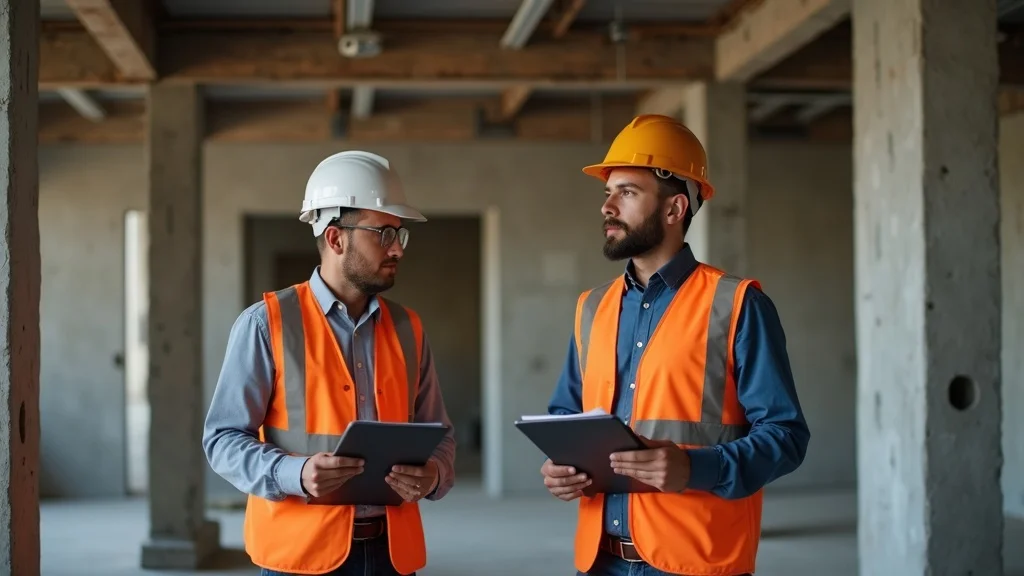
- Is the HVAC system operational or just roughed in?
- Does the spec suite meet current accessibility code requirements?
- Are MEPs stubbed to the suite?
- Is ceiling plenum height adequate for your intended use?
- What are the typical build-out times and main inspection bottlenecks in this building?
Real-Life Pitfalls: Metro Examples from DTLA and Beyond
In-Depth: Delays and Cost Overruns in Shell Space Transformations
The bottom line? Raw shell offers creative design freedom, but the cost in lost downtime and unpredictable budget overruns is real, especially in complex metro areas
By comparison, a vanilla shell in a Class A tower offered another tenant a faster schedule, but the “ready” restrooms failed local ADA inspection. The $30,000 remediation wasn’t in the GC’s original estimate, stalling occupancy. Brokers, tenants, and property managers must always dig into the precise shell condition and inspection history—otherwise a fast-tracked deal can quickly reverse course.
2nd Generation Office Space: Unexpected Surprises and Success Stories
Second-generation office spaces are celebrated for their quick TI turnaround, but they’re not without surprises. One tech startup in San Francisco signed for a spec suite expecting a turnkey experience. Yet, the previous tenant had made unpermitted restroom modifications, leading to a failed city inspection and a month-long delay. In another example, a creative agency moved into a 2nd gen suite in record time, taking occupancy in just 16 days thanks to a diligent broker who validated every system and code requirement upfront.
The biggest lesson: second-generation space delivers speed and lower construction costs—if all building systems are operational and compliance is pre-checked. Bringing in third-party inspectors and involving the GC in pre-signing walkthroughs can help avoid common pitfalls, especially when adapting another company’s old floor plan to your brand.

How to Decide | Shell Space vs 2nd Gen Space
- Who should pick which path (startups, medical, law firms, retail)?
- How to maximize your tenant improvement allowance
- What to confirm about utility, access, and approval processes
- Must-have language in your lease or workletter
Essential Shell Space vs 2nd Generation Space Questions
What is a second generation space?
A second generation space is an office, retail, or commercial property that has already been built out, previously occupied, and typically features existing improvements, such as interior walls, finished floors, ceilings, lighting, and finished MEP services. This usually results in faster move-ins and lower tenant improvement (TI) costs compared to shell space.
What does shell space mean in real estate?
Shell space in real estate refers to a vacant office or commercial unit delivered in unfinished condition. It may lack flooring, walls, finished ceilings, restrooms, or operational HVAC and electrical systems, offering maximum flexibility but requiring a more extensive (and expensive) TI build-out.
What does 2nd generation mean in real estate?
In real estate, ‘2nd generation’ describes any space that has undergone a prior build-out and use. It generally features all necessary improvements, from walls to restrooms and working HVAC, allowing a new tenant to move in quickly and modify only as needed.
What are the 4 types of leases in real estate?
The four main types of leases in commercial real estate are: Full Service Gross, Modified Gross, Triple Net (NNN), and Absolute Net leases. Each allocates building expenses, maintenance, and taxes differently between landlord and tenant — important to understand before securing shell or second-generation space.
Key Takeaways
- Choosing between shell space vs second-generation space can add or subtract weeks (and thousands in TI)
- Shell space offers creative freedom, but higher costs and more uncertainty
- Second-generation and spec suite options save time — but verify if upgrades will be needed
- Always check for existing permits, utilities, and local code quirks before signing
“Ask early about shell condition, inspection history, and local jurisdiction bottlenecks — downtown deals can hinge on what the city’s backlog looks like this month.”
FAQs: Shell Space vs Second-Generation Space
- Is shell space rent always cheaper than second-generation?
Shell space sometimes comes with lower base rent, but the upfront TI costs and timeline can outweigh those initial savings. Second-generation spaces may charge higher rent per square foot, but lower build-out costs often mean a better total value. - What are the lead times for TI in shell vs spec suite?
Shell space build-outs typically take 12–24 weeks, depending on city and condition. Spec suites, however, can often accommodate tenants within 2–8 weeks due to their finished or nearly finished interiors. - How do shell condition and previous TI determine final cost?
The fewer functional systems present, the higher your construction costs. Grey shell spaces are the most expensive to finish, while second-generation spaces require only aesthetic or minor layout changes, resulting in far less spend on improvements. - Does vanilla shell always mean restrooms are installed?
Not always. Some vanilla shell definitions include fully plumbed and finished restrooms, while others only rough in plumbing. Always walk the space and ask specifically about restroom completeness before making assumptions.

Ready to Decide Between Shell Space vs Second-Generation Space?
Email this page to your broker, GC, or project manager, before you sign a new office space lease.
Deciding between shell space and second-generation office space shapes your project’s timeline, risk, and budget.
Start the process armed with the right questions, the true state of each space, and a checklist to keep surprises at bay.