
Did you know that over 60% of failed restaurant launches are linked to overlooked buildout details in restaurant tenant improvement projects? The world of restaurant tenant improvement can be daunting—packed with industry jargon, red tape, and hidden risks that can quietly derail your dream dining space before you even open
Why Restaurant Tenant Improvement Can Make or Break Your Business
Did you know that over 60% of failed restaurant launches are linked to overlooked buildout details in restaurant tenant improvement projects?
- Quick Definition: What Is Restaurant Tenant Improvement?
- Restaurant tenant improvement (TI) refers to custom renovations and upgrades made to a leased restaurant space—everything from commercial kitchen installs and ventilation system upgrades to specialty finishes and electrical improvements.
- Why Restaurant Tenant Improvement Matters for Every Tenant and Owner
- Well-planned tenant improvement is essential to the success of any restaurant build. Overlooked MEP (mechanical, electrical, plumbing), poor ventilation, or skipping critical fire suppression system upgrades can cripple your restaurant before the first plate is served. Whether the restaurant space is a blank shell or a former dining area, what you do (or don’t do) with TI work will directly impact timelines, budgets, and compliance with health department and building codes.

What You’ll Learn About Restaurant TI
- Essential steps for a successful restaurant tenant improvement project
- How to prevent costly mistakes in restaurant build and restaurant tenant improvement
- Practical metro realities of tenant improvements in Downtown LA and major cities
- Critical questions to ask your general contractor (GC), property manager (PM), and landlord (LL)
Understanding Restaurant Tenant Improvement: Core Concepts and Metro Realities
Defining Restaurant Tenant Improvement in Plain English
At its core, restaurant tenant improvement is the process of customizing or transforming a leased commercial space—usually a blank shell or former restaurant—into your dream dining area. Unlike generic office TI work, restaurant spaces demand specialized attention to things like grease traps, upgraded HVAC systems, fire suppression, and robust mechanical, electrical, and plumbing (MEP) infrastructure. MEP coordination is especially critical in restaurants due to the intensity and frequency of kitchen activity.
Tenant improvement projects cover everything your business needs to pass inspection and smoothly operate: from new ventilation systems to ADA-compliant bathrooms, proper air conditioning, and efficient layout for hosts, chefs, and waitstaff. Every square foot, from kitchen install to dining room charm, counts toward your overall budget and operational success.
Restaurant Space & Restaurant Tenant: How They Shape the Improvement Project
Is your spot a quick-service concept in a bustling food court, a fine-dining retreat, or somewhere in between? Factors like lease agreement terms, existing building conditions, and property manager requirements will shape what’s possible—and what’s permitted—in your improvement project

Common Restaurant Build and Tenant Improvements Challenges in Metro Areas
In urban centers like DTLA and most major metros, restaurant tenant improvement projects hit unique roadblocks: limited elevator and loading dock access (especially downtown), strict noise and hours-of-work ordinances, delayed inspections due to agency backlogs, and sometimes even HVAC or electrical limitations in older commercial buildings. Understanding these metro realities upfront can help avoid project slowdowns or unexpected improvement costs. Proactive coordination with GCs and local officials ensures that your restaurant tenant improvement project navigates local hurdles without derailing your schedule or budget.
Access and logistics for moving heavy kitchen equipment, grease interceptors, or large plumbing installation parts can add hidden costs and headaches. Advance planning with your TI team—especially around city holidays or event weekends—can save major delays and reduce the risk of contractor scheduling conflicts.
Local Considerations: DTLA Access, Inspections, and Logistics for Restaurant Spaces
The lesson? Get your PM and GC to map out inspection deadlines and build them into your construction timeline from the very start
Restaurant tenants in dense city cores should budget for security, parking constraints for crews, and even limited HVAC system availability in certain aging buildings. If your space is on a high floor, factor in elevator lead times and additional coordination with neighboring tenants and property management.
Critical Systems: Kitchens, Ventilation, and Grease in Restaurant Tenant Improvement
Commercial Kitchen Layouts in Restaurant Tenant Improvement
The heart of your restaurant build is the kitchen—and restaurant tenant improvement is where culinary dreams become reality (or nightmares, if details are missed). An efficient kitchen layout is a careful dance between code compliance, chef workflow, and safety. Placement of stoves, prep tables, sinks, and fire suppression systems not only affects how quickly food leaves the kitchen but also how health inspectors rate your operation.
High-traffic restaurant spaces need wide aisles, non-slip surfaces, and cleanable finishes for health and fire safety. Consider futureproofing: plan space and electrical loads for additional appliances, smart dishwashers, or specialty cook lines. Proper coordination with architects and engineers on kitchen layout—not just aesthetics but true back-of-house efficiency—leads to smoother operations and fewer surprises when you’re ready to open your doors.
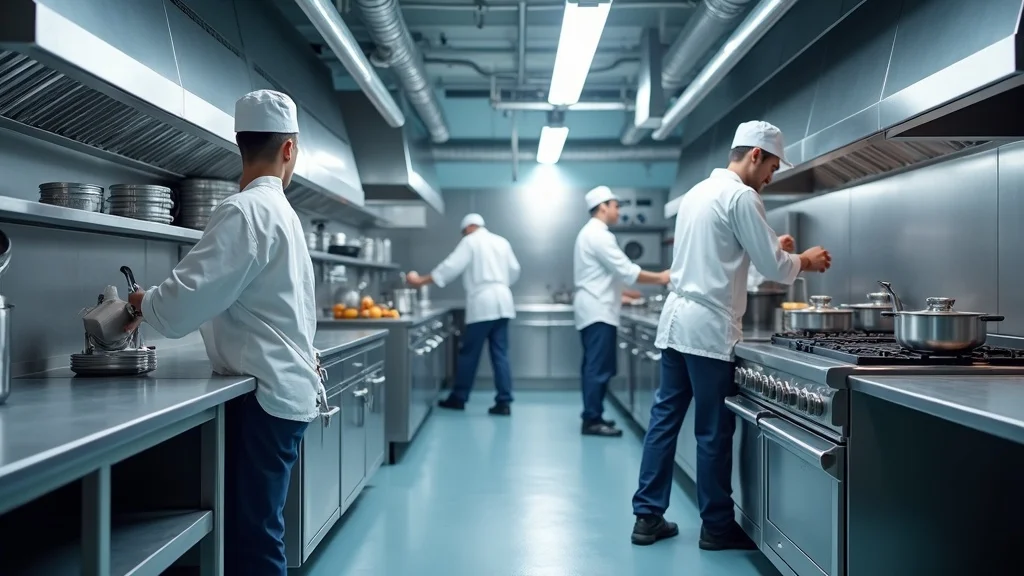
Ventilation and Grease Systems: Non-Negotiables for Restaurant Build Success
Ventilation system design in restaurant tenant improvements is both science and necessity. Sizing and routing of ducts, hoods, and exhaust fans is crucial for removing excess heat, smoke, and grease-laden vapors—especially around fryers and grills. Improper ventilation can trigger repeated health and building department failures and create unsafe conditions for staff and customers. Don’t cut corners here: make sure plans address grease trap requirements, fire-rated ductwork, and accessible maintenance zones.
Local municipalities require robust grease management, including interceptors (aka grease traps) that meet strict city and state environmental standards. Grease buildup in plumbing can lead to costly shutdowns, fines, or even permanent closure if not handled right at the TI phase. Savvy restaurant owners invest in quality, code-compliant ventilation systems and grease management because downtime here can cripple business before you ever reach profitability.
Health, Fire, and Code Inspections: Navigating Restaurant Build Red Tape
Every TI project means running a gauntlet of inspections: health department, fire marshal, building code, and sometimes separate utility reviews for electrical system upgrades and HVAC. Each agency has its own requirements, forms, and inspection windows—miss one, and opening dates slip fast. Documentation is your ally: keep all as-builts, permits, checklists, and approvals organized to quickly resolve inspection punch lists.
Many failed restaurants never open due to missed or delayed approvals. Empower your GC or project manager to “own” inspection tracking, and insist on regular updates. Always schedule pre-final walk-throughs with code officials and address red flags before final inspection day. A penny saved on paperwork or plumbing installation can cost a fortune in delays or forced re-work if not handled correctly.
MEP Coordination: The Hidden Engine of Restaurant Tenant Improvement Success
What Is MEP and Why Does It Matter in Restaurant Tenant Improvements?
MEP stands for Mechanical, Electrical, and Plumbing—the backbone of every restaurant build. While finishes and décor catch the eye, MEP systems are the engine that keeps your restaurant safe, efficient, and compliant. In tenant improvements, MEP is make-or-break: undersized HVAC systems, badly routed electrical circuits, or plumbing missteps can torpedo opening timelines and sink improvement costs. Think of MEP as the hidden web connecting your kitchen, dining room, and utility spaces into a functioning whole.
Upgrading or retrofitting MEP in older restaurant spaces or blank commercial spaces often means coordinating trades, city inspectors, and sometimes even negotiating rights with the landlord. Early MEP planning ensures code compliance, avoids dangerous overlaps (like HVAC next to fire suppression or grease lines), and helps contain tenant improvement costs before construction begins.
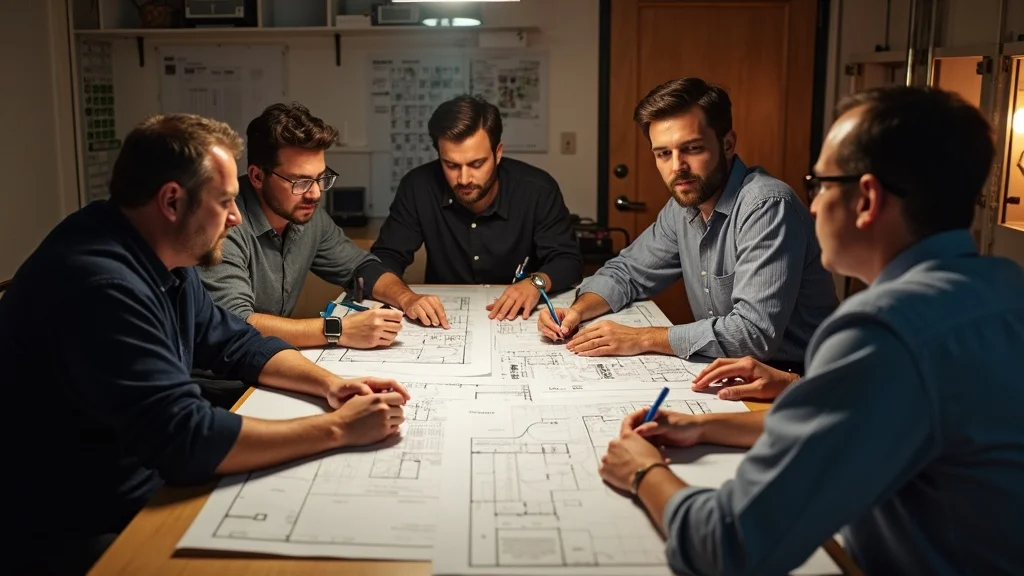
Coordination Tips: Ensuring Mechanical, Electrical, and Plumbing Work Together in Your Restaurant Tenant Improvement Project
Integrating MEP trades isn’t just about scheduling; it’s about total project orchestration. The best results come from “pull planning”—holding joint meetings with your GC, MEP subs, architect, and landlord or PM. Map out all known conflict zones where air conditioning ducts, electrical wiring, and water or gas lines might compete for limited wall or ceiling space. In major metros, sequencing becomes vital: you might only get after-hours access for risers or require special coordination for utility shutdowns.
Double-check all mechanical, electrical, and plumbing drawings against site conditions. Opening ceilings or floors mid-construction is a costly fix if something is missed. Make your project team walk the site before drywall goes up. Good MEP coordination is the surest insurance against cascading delays, failed inspections, and surging tenant improvement costs.
“If MEP isn’t right, nothing else works. You can’t cook, chill, or open your doors.” – Commercial GC
Step-by-Step Guide: Planning and Managing Your Restaurant Tenant Improvement Project
- Step 1: Scoping the Restaurant Space and Defining Your Vision
- Meet with your team to clarify the type of restaurant, service model, and operational requirements. Document your menu, peak staffing, and tech needs. The more specifics you bring to architects and brokers up front, the less re-design you’ll face later.
- Step 2: Assembling Your Restaurant Tenant Improvement Team (GC, Architect, Engineer, Brokers)
- Choose professionals with extensive experience in restaurant build and improvements—ideally those who know local building codes and have a track record in high-traffic restaurant spaces. Ask for references and examples of past TI work in similar commercial spaces.
- Step 3: Design, Budgeting, and Permits for Tenant Improvements
- Get detailed drawings and specify all MEP requirements. Review permit lead times (can stretch 4–12 weeks in busy cities!). Build in contingency for surprise demolition finds and utility upgrades. Discuss tenant improvement allowance terms with your broker and landlord before breaking ground.
- Step 4: Construction Timeline and Restaurant Build Milestones
- Create a project schedule from start to finish with major milestones like kitchen install, rough plumbing inspection, and dining area finishes. Assign clear responsibility for inspection scheduling, coordination with utility providers, and resolution of unforeseen issues as the project progresses.

- Step 5: Inspections, Approvals, and Punch Lists
- As construction wraps up, coordinate all final inspections. Prepare a punch list for any outstanding items—especially those flagged by the fire marshal, health department, or building inspector. Get all approvals in writing before scheduling soft openings or staff training.
- Checklist: Major Red Flags in Any Restaurant Tenant Improvement Project
- Unclear MEP plans or unverified site conditions
- Permits “in process” but not approved
- Landlord unclear on scope or responsibilities
- Equipment that won’t fit through entryways/elevators
- Change orders not signed off in writing
Table: Restaurant Tenant Improvement Costs at a Glance
| Region | Kitchen Sq Ft | MEP Costs | Typical Permitting Fees | Common Surprises | Typical TI Allowance |
|---|---|---|---|---|---|
| Downtown LA | 750–1200 | $75K–$250K | $6K–$16K | Elevator/after-hours access, delayed inspections | $30–$60/sq ft |
| San Francisco | 600–1100 | $80K–$300K | $7K–$18K | Permits, seismic upgrades, utility coordination | $35–$55/sq ft |
| New York City | 500–1000 | $90K–$350K | $8K–$20K | Union labor, after-hours delivery, agency signoffs | $40–$80/sq ft |
| Suburban/Small City | 600–1000 | $50K–$150K | $4K–$10K | Long lead HVAC/plumbing, limited inspections | $20–$35/sq ft |
- What is a typical tenant improvement allowance?
- Tenant improvement allowance is a per-square-foot amount the landlord contributes to your buildout, generally between $30–$60 per square foot—but always check the terms in your lease agreement.
Lessons Learned and What to Ask Your GC, PM, and Landlord
- Common Problems in Restaurant Tenant Improvement Projects (And How to Avoid Them):
- Missed or incorrect MEP coordination causing construction rework
- Permitting delays leading to lost time and higher restaurant build costs
- Designs that forget service flow, code compliance, or grease management
- Surprises in older restaurant spaces: hidden plumbing or electrical needs
- Poor communication between tenant, GC, and landlord during improvement project
- Top Questions to Ask Before Starting a Restaurant Tenant Improvement:
- Does my GC have extensive experience with restaurant builds in this metro?
- When do MEP subs get involved, and who oversees coordination?
- What’s the real lead time for permits and inspections in this city?
- How is TI allowance calculated and reimbursed under my lease agreement?
- What are the red flags specific to this restaurant space or building?

FAQ: Restaurant Tenant Improvement
What is the 30 30 30 rule for restaurants?
- Answer: The 30/30/30 rule refers to allocating 30% of revenue to cost of goods sold, 30% to labor, and 30% to occupancy and other operating expenses. In the context of restaurant tenant improvement, understanding this rule helps with budgeting during the improvement project.
What is an example of a tenant improvement?
- Answer: Installing a new commercial kitchen, upgrading grease traps, and reconfiguring ventilation systems are common tenant improvement examples in restaurant spaces.
What are the 5 P’s of service in restaurants?
- Answer: The 5 Ps typically stand for Product, People, Place, Promotion, and Price. For restaurant tenant improvement, ‘Place’ and ‘People’ matter most: the space needs to align with staff workflow and customer experience.
What is a typical tenant improvement allowance?
- Answer: Tenant improvement allowances vary but can range from $30–$60 per square foot for restaurant spaces. Always confirm terms with your broker and landlord.
Restaurant TI Essentials
- What is included in a typical restaurant tenant improvement?
- A typical restaurant tenant improvement includes kitchen and bar buildout, dining room finishes, mechanical, electrical, and plumbing upgrades, ventilation and grease systems, ADA restrooms, and code-compliant fire suppression system installations.
- How long does a restaurant build take from lease signing to opening?
- From lease signing to opening, a full restaurant build-out usually takes 5–9 months. Delays in permits, inspections, and custom equipment can extend these timelines, especially in busy city centers.
- How do MEP systems impact tenant improvement costs?
- MEP systems are often the largest line item in restaurant tenant improvement costs. They drive budget for HVAC, plumbing installation, fire suppression, and electrical system upgrades. Coordination mistakes or late design changes can significantly increase total improvement costs.
Key Takeaways and Success Factors
- Restaurant tenant improvement is a complex but crucial phase for any food business. Missing details in MEP or buildout scope can sink a project before you even open.
- Permitting, MEP coordination, and strong communication between GC, PM, and landlord are the real drivers of cost and schedule success.
- Understand metro realities: DTLA and other big-city environments add unique access, scheduling, and inspection headaches. Plan with these in mind.
- Get everything in writing: scope, schedule, allowance amounts, and change orders. Clarity protects your investment.
- Start every project with a solid checklist, an experienced TI team, and a keen focus on must-ask questions for your specific restaurant space.