
Tenant Improvement Allowance (TIA) Explained: Who Pays, How It’s Negotiated, and What It Really Covers

“Over 60% of commercial leases are negotiated with a tenant improvement allowance, making TIA knowledge a critical skill for any tenant or property owner.”

If you’re considering leasing commercial space, here’s a number that might surprise you: over 60% of commercial leases include a tenant improvement allowance (TIA). Yet, many small business owners, property managers, and even first-time landlords say they still feel lost about what a TIA really covers, who pays for what, and how it impacts their lease or investment. This guide breaks down tenant improvement allowance in plain English. By the end of this article, you’ll understand how TIAs work, how to negotiate them, and how to avoid costly mistakes—whether you’re renting your first office or managing your twentieth property.

What You’ll Learn About Tenant Improvement Allowance

  • The basics of tenant improvement allowance (TIA) and why they matter in commercial real estate
  • How to calculate and negotiate improvement allowances
  • What TIAs usually cover and common mistakes to avoid
  • Regional considerations, practical DTLA realities, and key checklist questions

Defining Tenant Improvement Allowance and Why It Matters

What is a Tenant Improvement Allowance?

A tenant improvement allowance (TIA) is a financial incentive offered by landlords to help tenants customize a commercial space—such as an office, retail shop, or medical suite—to fit their specific business needs. TIAs are typically expressed as a dollar amount per square foot (usually $10/SF to $100+/SF, depending on market conditions and property class). The allowance is used to cover the cost of improvements like new walls, floors, lighting, or HVAC upgrades that increase the functionality of the leased space.

The mechanics are straightforward: the landlord agrees to cover the cost of tenant improvements up to a certain amount, and the tenant is responsible for costs incurred beyond that cap. This arrangement helps balance both parties’ interests—landlords enhance the marketability of their space, and tenants get help with upfront buildout costs that can otherwise be a substantial barrier.

tenant improvement allowance architect showing proposal conference room 3D model digital floor plan

Why Tenant Improvement Allowances Are Critical in Commercial Real Estate

In the world of commercial real estate, tenant improvement allowances can make or break a lease negotiation. For tenants, a well-structured TIA means moving into a space tailored to your business, with substantial savings on construction costs. For landlords, offering a competitive improvement allowance improves occupancy rates, makes the property more attractive in a tight real estate market, and supports higher lease rates by offering customized, modernized space.

It’s important to note: since both construction costs and space requirements can vary depending on local codes and needs, negotiating a fair TIA up front is essential. A poorly defined or underfunded allowance can result in unexpected out-of-pocket expenses, project delays, or even a failed lease negotiation. In high-demand markets—especially urban areas—the stakes (and dollar amounts) get even higher.

Tenant Improvement Allowance vs. Leasehold Improvements

These terms are often confused but have key differences. The tenant improvement allowance is the budget or reimbursement provided by the landlord to the tenant for construction. In contrast, leasehold improvements refer to the actual physical upgrades made to the leased space, regardless of who pays for them. Once the improvements are completed, they usually become the property of the landlord when the lease ends (unless stated otherwise in the lease agreement).

“A well-negotiated improvement allowance can mean the difference between a successful buildout and costly overruns.”

Who Pays for Tenant Improvements? Breaking Down the Improvement Allowance

tenant improvement allowance landlord and tenant handshake construction plans office build-out

Landlord vs. Tenant Responsibilities in Tenant Improvement Allowance

Typically, the landlord pays for tenant improvements—up to the maximum allowance agreed upon in the lease. This could be delivered as a lump sum, a reimbursement after project completion, or a turnkey agreement (where the landlord manages and pays contractors directly). However, costs above the TI allowance fall to the tenant, as do “soft costs” like design fees or furniture, unless specifically negotiated. Tenants should always verify their responsibilities to avoid budget overruns or delays caused by unclear expectations.

For landlords, offering a well-calculated TIA helps fill vacancies faster and at higher rents, but going overboard can cut into returns. Both sides should carefully weigh which party manages the buildout, who selects vendors, and how any “costs incurred” above the allowance are handled.

Who Owns the Improvement After Lease End?

Leasehold improvements (walls, plumbing, lighting, built-in fixtures) typically become the property of the landlord once installed, even if the tenant paid for them above the maximum allowance. Unless your lease agreement states otherwise, tenants cannot take built-in improvements with them at lease end—they “run with the property.” This key point impacts future rent payments, space planning, and business expenses.

Some leases call for restoring the space to its “as-delivered” condition. This can involve costly demolition—be sure your agreement clearly states if you must remove improvements when moving out.

Lease Structures: Gross Leases, Net Leases, and Their Impact on Tenant Improvement Allowance

The lease structure affects how TIAs are paid and calculated. In a gross lease, the landlord pays for most building expenses (taxes, insurance, maintenance), and the improvement allowance may be higher since other costs are included. In a net lease, tenants cover additional expenses, so the structure of the tenant improvement allowance takes on even greater importance in negotiable terms. Understanding your lease structure ensures you don’t accidentally take on extra construction costs, maintenance fees, or responsibilities.

Always confirm how TIAs are broken out in your lease agreement—this small detail can significantly impact your total out-of-pocket costs.

How Tenant Improvement Allowance Is Calculated and Delivered

What is a $40 Tenant Improvement Allowance?

A “$40 tenant improvement allowance” means the landlord will reimburse or pay up to $40 per square foot for qualifying upgrades. For example, in a 2,000-square-foot suite, a $40/SF allowance provides the tenant with an improvement fund of $80,000 for the project. If the actual construction costs less, the savings may stay with the landlord or be applied to other expenses—if your lease allows it. If costs exceed the allowance, the tenant must pay the difference.

tenant improvement allowance calculator lease document calculating TIA spreadsheet

What is a Reasonable TI? Industry Standards and Local Market Trends

Reasonable tenant improvement allowances vary based on the region, building age, and use. In most U.S. commercial real estate markets, basic TI allowances run $10–$40/SF for second-generation spaces and $40–$100+/SF for new, Class A, or medical/tech buildouts. In urban markets like Downtown Los Angeles (DTLA), higher costs and stricter codes can push the top end much further. Always ask your broker for comps and check local construction costs before settling on a number—what’s “reasonable” in Dallas may fall short in DTLA.

Remember: the maximum amount of the TI allowance is not set in stone; it’s a negotiation point reflecting the property’s desirability, market demand, and tenant leverage.

Methods for Delivering Tenant Improvement Allowances: Reimbursement, Turnkey, Managed

Landlords can deliver the TI allowance in several ways:

  • Reimbursement: Tenant pays construction up front, then submits invoices for landlord to repay up to the maximum amount.
  • Turnkey: Landlord handles design, construction, and vendors; the space is delivered “move-in ready.”
  • Managed allowance: A hybrid approach; the tenant manages the buildout but landlord controls payments and approvals.

“TI amounts can range drastically—from $10/SF basic buildouts to $100+/SF for high-end office or medical renovations.”

What is a TIA Reimbursement? Step-by-Step Guide

A TIA reimbursement means the tenant completes construction and pays contractors directly, then provides documentation to the landlord for repayment up to the agreed TI allowance. The typical process is:

  1. Tenant finishes eligible improvements.
  2. Collects and submits paid invoices, lien waivers, and project approvals.
  3. The landlord reviews paperwork, may inspect the space, then issues payment—either as a lump sum or as progress draws.
  4. Any costs above the allowance are paid by the tenant.

Typical Covered Items in Improvement Allowances

TIAs are intended to pay for the fixed elements that make a commercial space functional, code-compliant, and ready for occupancy. Common covered items include:

  • Walls and partitions
  • Flooring and ceilings
  • Lighting and electrical
  • HVAC, plumbing, and fire/life safety
  • Fixtures, signage, finishes (sometimes by negotiation)
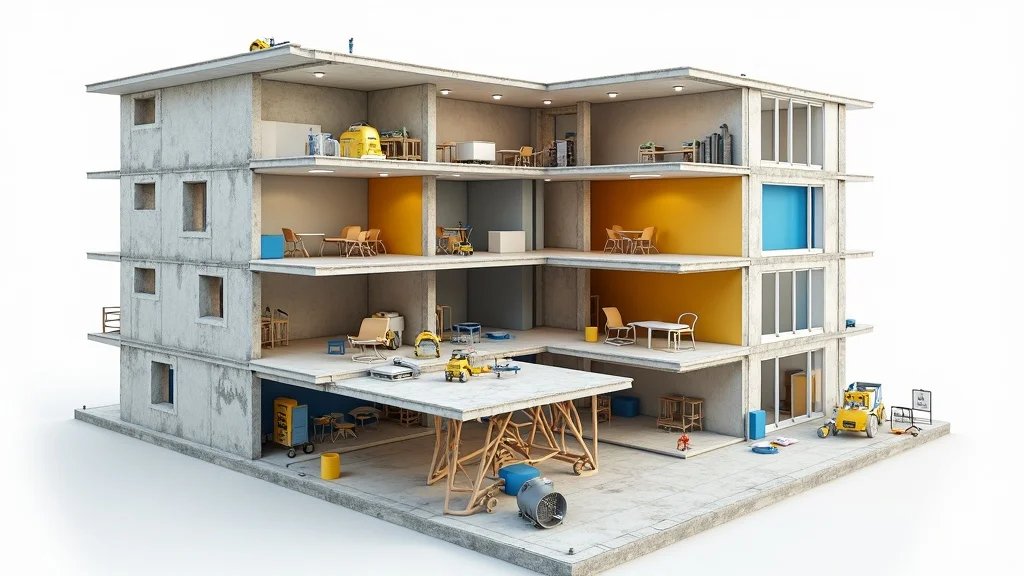
tenant improvement allowance office build-out cross section walls wiring hvac construction layers

What Is Not Covered by Most Tenant Improvement Allowances

Excluded costs usually fall outside of the scope of “permanent improvements.” Most improvement allowances exclude:

  • Furniture, fixtures and equipment (FF&E)
  • IT, security systems, move-in costs
  • Design fees (unless negotiated)
Included in Most TI Allowances Excluded Unless Specifically Negotiated
Walls, partitions, drywall, paint Furniture, fixtures (movable desks, chairs)
Flooring, ceilings, windows AV/IT systems, wireless, security cams
Lighting, electrical outlets, wiring Design, architectural and permit fees
HVAC, plumbing, life-safety upgrades Moving costs, temporary power or comms
Built-in signage or bathroom upgrades Decor, signage (unless specified)

How to Negotiate Your Tenant Improvement Allowance

Negotiating Strategies for Improvement Allowance (Landlords and Tenants)

To get the best value from your tenant improvement allowance, approach negotiations like a major business deal—not a last-minute afterthought. Tenants should prepare a detailed space plan, collect bids, and benchmark TI offers against comparable deals in their market. Landlords, in turn, should consider which upgrades add property value and support higher rents long-term.

Negotiate how “savings” or “unused funds” are treated—can you use the extra for FF&E or rent abatement? Define approval processes and delivery timelines in writing to avoid delays and budget overruns

tenant improvement allowance broker negotiating with landlord and tenant lease agreement property layouts

Timing, Bidding, and Approval Processes

Timing is everything with tenant improvements. Delays in design approval, city permitting, or bidding out the work can disrupt your move-in date—and possibly trigger extra rent payments or penalties. Well-structured leases require both landlord and tenant to approve construction milestones, select vetted general contractors, and define what documentation is required for reimbursement. Always confirm who controls change orders and how surprise “soft costs” will be handled.

The best strategy? Build in extra lead time for permitting, coordinate closely with your broker or project manager, and insist on checkpoint approvals in writing

Metro, Access, and Local Constraints: Realities in DTLA and Other Urban Markets

In dense urban hubs like Downtown Los Angeles (DTLA), unique challenges can impact your tenant improvements. Strict city codes, union labor rules, limited elevator access, and after-hours construction restrictions can increase lead times and raise costs. Schedule extra time for permit approvals, coordinate deliveries to avoid traffic congestion, and budget higher for labor premiums or overtime.

Know your local market—what worked in the suburbs may not translate downtown. Tenant improvement allowances in these areas are often higher, but so are costs and project complexity.

Red Flags and Pitfalls to Avoid with Tenant Improvement Allowances

Avoid these common missteps:

  • Assuming “everything is covered”—read the fine print and confirm what is actually included in your TI allowance.
  • Ignoring timing or approval language; this can lead to mid-project overruns or finger-pointing if something is delayed.
  • Not clarifying who manages construction or change orders; “managed” allowances offer more control but also more risk if not handled well.
  • Overlooking soft costs—like furniture or moving expenses—which can be substantial but are usually not part of the allowance.

“Always clarify whether your allowance covers hard or soft costs, and who handles overruns.”

Key Questions to Ask Before Finalizing Your Tenant Improvement Allowance Negotiation

  • What is the maximum TIA per square foot, and is it sufficient for your projected builds?
  • Are there restrictions on how the allowance can be spent? (Soft vs. hard costs/FF&E/etc.)
  • Do you or the landlord choose and manage contractors?
  • How are cost overruns handled?
  • What is the process and timing for approvals and payments?

tenant improvement allowance dtla skyline office construction cranes urban renovations cityscape

Negotiating TI allowance: Sample conversation with broker/property manager.

Step-by-Step Breakdown: Tenant Improvement Allowance from Start to Finish

  • Step 1: Assess your needs and draft a space plan
  • Step 2: Obtain and compare TIA offers
  • Step 3: Clarify landlord and tenant responsibilities
  • Step 4: Manage construction, approvals, and close-out
  • Step 5: Final audit and reconciliation of improvement allowance

 

  • tenant improvement allowance project manager checklist digital tablet construction milestones safety gear

Tenant Improvement Allowance in Context: Metro Realities, Lead Times, Approvals, and Pitfalls

Regional and Local Market Impact: DTLA Example

The real estate market in Downtown Los Angeles spotlights how TI allowance negotiations are shaped by local factors. Labor costs, union rules, seismic codes, and a competitive environment mean that allowances are often higher ($50–$100+/SF) but so are hurdles to build-out approval and delivery. Tenants should budget more time for plan approval and anticipate higher construction bids—and landlords may demand longer lease terms in exchange for a richer allowance.

Confirm what’s standard in your region before signing. What’s “generous” in secondary markets may be “average” in the heart of DTLA. Leverage your broker’s market knowledge.

Logistics, Approvals, Inspections, and Lead Times

City permitting, fire/safety inspections, elevator access, and after-hours work windows can all drag out a project in urban environments. A well-negotiated tenant improvement allowance should bake in realistic timelines and milestone approvals. Work closely with your property manager to anticipate bottlenecks, and request progress meetings on-site.

tenant improvement allowance property manager coordinating building inspection renovation urban site

After-Hours and Security Constraints in Urban Markets

High-rise office buildings, especially in busy downtowns, often restrict noisy work to after business hours, require special move-in permits, and enforce strict security. These realities can add cost (for overtime labor) and delay (if not planned properly). Confirm access rules early, include these costs in your budget, and get landlord commitments on elevator or dock times in writing.

“DTLA tenants often see longer lead times and added costs due to stricter build-out requirements and logistics.”

People Also Ask: Essential Tenant Improvement Allowance Questions

What is a $40 tenant improvement allowance?

  • A $40 tenant improvement allowance means the landlord will reimburse or cover up to $40 per square foot for eligible tenant improvement costs, including construction and some related expenses. Tenants are responsible for costs above this cap.

What is a reasonable TI?

  • A reasonable tenant improvement allowance varies by location, building class, and market conditions. Most range from $10 to $100 per square foot, with higher allowances for new, high-demand, or build-to-suit spaces.

What is a TIA reimbursement?

  • A TIA reimbursement is when the tenant pays for improvements up front and the landlord repays approved costs up to the agreed allowance, typically after proper documentation and inspection.

What is an example of a tenant improvement?

  • Adding partition walls, upgrading lighting, installing new flooring, or renovating bathrooms are all examples of tenant improvements commonly covered by TIAs.

Real Estate and Tax Implications of Tenant Improvement Allowances

Tax Implications for Tenants and Landlords

The tax implications of TIAs can be complex and change based on how the allowance is paid out. Typically, tenants do not pay tax on the allowance if it’s used directly for qualifying improvements. However, if the allowance is given as cash or rent credit, it may be considered income. Landlords may depreciate the cost of improvements, while tenants can sometimes expense or amortize their buildout investment. Always consult a real estate tax professional for current rules and reporting requirements.

Knowing the difference between hard and soft costs, and how expenditures are documented, is crucial for accurate tax reporting and to leverage any available deductions.

Reporting Tenant Improvement Allowance on Financial Statements

On the financial statement, TIAs impact both landlords and tenants. For landlords, allowances are often capitalized and depreciated as a property asset. For tenants, especially if they contribute their own funds, improvement costs may be capitalized as leasehold improvements and amortized over the lease term. Be sure your accountant tracks both the major and minor items, and asks clarifying questions at lease signing.

Impact of Tenant Improvements on Real Estate Value and Lease Terms

Well-executed tenant improvements raise the value of commercial real estate—building modern workspace or efficient layouts attracts new tenants and supports higher rents. However, a large TI allowance may be offset by a higher base rental rate or a longer lease commitment. Understand the full economic tradeoff before negotiating for “free” money; nothing in real estate is truly free.

Frequently Asked Questions

  • What’s the difference between tenant improvement allowance and turnkey build-out?
    TI allowance is a financial contribution that lets the tenant arrange their own buildout and submit for reimbursement. Turnkey means the landlord pays for and delivers a finished space to the tenant’s agreed specs.
  • Do unused tenant improvement allowances carry over?
    Usually not—unused TI funds typically revert to the landlord unless your lease says you get a rent credit. Always clarify up front.
  • Can you negotiate for unused allowances as rent credit?
    Sometimes, yes. If your improvement costs less than the allowance, you may negotiate for leftover funds as a rent abatement or for soft costs like furniture. Landlords rarely offer this automatically, so ask.
  • What documents should be submitted to claim a TIA reimbursement?
    Paid invoices, lien waivers, approved change orders, architect certifications, and “substantial completion” sign-off. Keep your paperwork organized!
  • Are design and permit fees part of a tenant improvement allowance?
    Sometimes, if you negotiate it. Many TIAs exclude design, permitting, and project management fees, but these items can be included if spelled out in the lease.

Key Takeaways

  • Always get improvement allowance terms in writing and confirm what is included.
  • Be aware of market ranges – ask your broker for comps.
  • Factor in timeframes for city approvals and delivery milestones.
  • Clarify whether allowances are paid as reimbursement, up-front, or post-completion.

Understanding and negotiating your tenant improvement allowance sets the foundation for a successful, cost-effective commercial lease—get it in writing, ask smart questions, and lean on local expertise.


Tenant Improvement Closeout Checklist: Punch List, As-Builts, Warranties, and the Final Walkthrough

If you’re approaching the finish line of your tenant improvement construction project, a flawless project closeout isn’t just a nice-to-have—it’s your key to timely occupancy, warranty protection, and peace of mind

What You’ll Learn in This Construction Closeout Checklist Guide

  • Understand the essentials of a construction closeout checklist for tenant improvements
  • Key steps of the construction project closeout process, including punch lists, as-builts, warranties, and walkthroughs
  • Common problems to avoid when finalizing project closeout documents
  • Insight for tenants, small business owners, and property managers on what general contractors and design teams should deliver
  • Important questions to ask your general contractor or broker to ensure a successful project closeout

A Surprising Fact About Construction Closeout: Why Most Projects Stumble at the Finish Line

“Did you know over 30% of commercial tenant improvements in major U.S. metros encounter delays due to incomplete construction closeout checklists and missing closeout documents?” — Industry Survey, 2023

Project manager reviewing construction closeout checklist amid busy tenant improvement construction site with drywall, fresh paint, and plans on table

Quick Definition: What is a Construction Closeout Checklist?

  • A construction closeout checklist is a systematic list ensuring all necessary project closeout tasks, documents, and inspections are completed before tenant handover.

Hand holding a detailed construction closeout checklist clipboard surrounded by site documents and digital tablets

Why Every Tenant Should Care About Construction Project Closeout

  • Ensures all contractual obligations are fulfilled before occupancy
  • Reduces risk of future disputes or costly corrections
  • Critical for obtaining the certificate of occupancy and securing warranties

Step-By-Step Construction Closeout Checklist for Tenant Improvements

Preliminary Steps for a Successful Project Closeout

  • Notification of substantial completion
  • Initiate project closeout process with all stakeholders
  • Gather construction closeout documents from general contractor and design team

Diverse project stakeholders reviewing construction closeout documents for tenant improvements

Kicking off the construction closeout process begins with the notification of substantial completion—when the bulk of contracted work has been finished, and the project is ready for its final evaluation. At this stage, all key players—the tenant, property manager, general contractor, and design team—should convene. It’s crucial to define everyone’s responsibilities and initiate the closeout checklist so no task is left behind. Collect all construction closeout documents: signed permits, inspection summaries, and change orders. These not only verify that work has been completed per contract specifications but set the structure for resolving any open punch lists or outstanding deliverables without misunderstandings between parties.

The preliminary step is also the time to address communication gaps that could derail a successful project closeout. If you’re a tenant or property manager, insist on a clear timeline for “when and how” documents, walk-throughs, and signoffs will occur. This transparency from your general contractor or design team minimizes costly project closeout delays, protects your final pay, and ensures readiness for the final walkthrough—all prerequisites for occupancy, warranties, and avoiding disputes in your future project.

Punch List: Identifying and Resolving Construction Items

  • Definition and purpose of a punch list within the construction closeout checklist
  • Typical punch list items for tenant improvements (paint touch-ups, hardware fixes, code compliance)
  • Resolving punch lists efficiently with your general contractor

The punch list is the heart of the project closeout checklist. It details every incomplete or unsatisfactory item discovered during walk-throughs that must be corrected before handover. For tenant improvements, typical punch list items might include correcting drywall dings, fixing door hardware, ensuring lighting functions to code, and making last-minute touch-ups on paint or flooring. The goal is to bring the project up to contract specifications so tenants occupy a space free from hazards or unfinished details.

Efficiently resolving the punch list demands coordination between the general contractor and all trades. Property managers and tenants should attend the punch list walkthrough with their own checklist in hand. After documenting items, follow up regularly with your general contractor on progress—don’t leave this to chance. If there are disputes or multiple change orders late in the process, clarify who’s responsible for correction and signoff. Only when the punch lists are resolved should you proceed to the final payment, safeguarding a successful project closeout.

As-Builts: Accurate Documentation for Your Construction Project Closeout

  • What as-builts are and why they matter in the closeout process
  • Critical components of as-built drawings in closeout documents
  • Ensuring accuracy and completeness for future changes or maintenance

Architect reviews as-built drawings for construction closeout in partially finished office with construction documents and tape measure

As-built drawings are updated plans that show exactly what was built, including any on-site field changes, deviations from original design, or last-minute modifications captured throughout the construction phase. Without complete as-builts, facility maintenance and future remodeling become guesswork—key systems like HVAC routes, electrical panel locations, and emergency exits could be dangerously misdocumented. For tenant improvement closeout, your as-built should include all dimensional modifications, equipment locations, detailed notes on changes, and confirmation each item matches the final built condition.

To secure a successful project closeout, always receive a digital and printed copy of your as-builts as part of the formal closeout documents. Verify these drawings against finished site conditions with your property manager or design team before signing off on final payment. Accurate as-builts are not only essential for warranty claims, code compliance, and certificate of occupancy approval—they’re your roadmap for any future project enhancements or maintenance down the line.

Warranties, Manuals, and Certificates: Your Construction Closeout Safety Net

  • Collection of warranties for equipment, systems, and finishes
  • Compiling O&M (operations and maintenance) manuals as part of the closeout checklist
  • Certificates of occupancy, warranties, and guarantees explained
  • Confirming documents with the general contractor before final payment


The foundation of your construction closeout checklist is a full set of closeout documents protecting your investment long after move-in. This includes all warranties for installed equipment, finishes, and building systems; operations and maintenance (O&M) manuals instructing how to care for and service the space; and the all-important certificate of occupancy issued by the city or local authority. Ensure your general contractor delivers every document—especially those called for in contract specifications—before making your final payment. If a warranty or O&M manual is missing, follow up in writing and set deadlines for correction.

Having these documents on file is your safety net for handling equipment failures, requesting manufacturer support, and providing documentation for lease negotiations or future project upgrades. Missing warranties or incomplete manuals may delay occupancy approval or void your rights under material guarantees. Always store documents securely, both digitally and physically, and review all deliverables with your broker or property manager before turning over the space.

The Final Walkthrough and Inspection Stage

  • Who should attend final inspection: tenant, general contractor, property manager, design team
  • Key items to verify during the final walkthrough
  • How to confirm the construction project is ready for closeout and handover

Professional team reviewing completed office space with digital checklist for final construction closeout inspection

The final walkthrough (or final inspection) is your last opportunity to verify that all work has been completed to contract requirements, punch lists have been resolved, and all systems are safe and operational. The tenant, property manager, general contractor, and ideally the design team should conduct this inspection together. Critical checklist items include:

  • Confirming all punch list items are corrected
  • Testing building systems (HVAC, lighting, plumbing)
  • Verifying ADA compliance and emergency exits
  • Reviewing finishes for defects, cleaning, and readiness
  • Checking that as-builts, closeout documents, and warranties are complete

Only when every item is addressed and documented should you confirm the construction project closeout and formally sign over the space. If you find deficiencies, document them and update your project closeout checklist accordingly before proceeding to final payment or move-in.

Tables: Construction Closeout Checklist for Tenant Improvements

Step Responsible Party Documentation Status
Notification of Substantial Completion General Contractor Substantial Completion Certificate Pending / Complete
Punch List Walkthrough & Correction Tenant, PM, GC Punch List Report Pending / Complete
Collection of As-Builts General Contractor, Design Team As-Built Drawings Pending / Complete
Warranties/Manuals Submission General Contractor Warranty Booklets, O&M Manuals Pending / Complete
Certificate of Occupancy Project Manager, City Inspector CO/Approval Letter Pending / Complete
Final Payment Owner/Broker Lien Waivers, Final Pay Documents Pending / Complete

Essential Closeout Documents in the Construction Closeout Checklist

  • Closeout Document Checklist: What Should Be Included
  • Comparing closeout documents for different types of construction projects
  • Tips for storing and organizing construction closeout documents digitally
  • Red flags: Missing or incomplete closeout documents and how to recover them

Project administrator manages construction closeout documents digitally via laptop in office

A standardized closeout document checklist includes: permits & final inspection approvals, as-built drawings, punch list completion forms, warranty packets, O&M manuals, certificate of occupancy, lien waivers, and a final pay summary.

While core requirements remain common across commercial, industrial, or interior improvement projects, some closeout documents such as special permits, fire/life-safety inspections, or environmental certifications may be specific to project type or city codes. Digitally organizing these documents—using project management software and secure backup storage—protects you from lost paperwork, missed deadlines, or disputes with general contractors.

Watch for missing or incomplete closeout documents. If something is missing, request updates immediately and document all communications. Persistent delays in receiving final as-builts, closeout forms, or key approvals are red flags and should be escalated to your broker, legal team, or property manager before final payment. Ensuring your closeout checklist is 100% complete isn’t just best practice—it’s your shield against future project and operational risk.

Navigating Project Closeout in Complex Metro Environments

  • Special considerations for Los Angeles and other major metros (permitting, after-hours access, traffic, inspection bottlenecks)
  • Coordinating with local authorities for timely certificate of occupancy and approvals
  • How logistics impact your construction closeout process and checklist
  • Advice for property managers, brokers, and tenants facing unique city constraints

Professional reviewing construction paperwork with city inspector in downtown Los Angeles

In cities like Los Angeles, construction closeout process means more than checking off punch lists—it’s about managing local logistics. Expect unique challenges: limited after-hours access, complex permitting, traffic delays, and bottlenecked city inspections. Certificates of occupancy can be held up for weeks due to city resources or missing paperwork, so constant communication with city inspectors and the project manager is critical.

If you’re a property manager or small business tenant in downtown Los Angeles or similar metro, coordinate site access, inspection appointments, and last-minute utility setups well in advance. Engage your broker and general contractor to stay ahead of approval timelines and manage final pay expectations accordingly. A thorough, customized project closeout checklist for your local environment is your insurance policy for a smooth handover.

  • Short field-guide video explanation of each checklist step and document for tenant improvement closeouts

Common Pitfalls in the Construction Closeout Checklist—and How to Avoid Them

  • Missed punch list items or incomplete corrections
  • Overlooked as-built updates and document errors
  • Incomplete warranties or manuals delaying approval for occupancy
  • Failure to coordinate with general contractors on change orders and closeout process
  • How to avoid these pitfalls and ensure a successful project closeout

Concerned project manager reviews incomplete construction punch list in a partially finished office

Even well-run projects can stumble during the construction project closeout. Common pitfalls include unresolved punch lists, skipped or faulty as-builts, and forgotten warranty booklets. Sometimes, updates due to last-minute change orders don’t make it into the final project documentation, leaving property managers scrambling to resolve missing deliverables as move-in day approaches.

To avoid these headaches, review and update your closeout checklist throughout the construction process, not just at the end. Require signoffs for every punch list item, verify as-built accuracy with field checks, and audit documentation before your final inspection. Open lines of communication with the general contractor and design team are crucial—don’t let documentation slip through the cracks while focusing on the big picture. If delays persist, escalate concerns before final payment, and consider contract provisions that allow for withholding pay until every item on your construction closeout checklist is resolved.

Red Flags to Watch for in the Construction Closeout Process

  • Signs your construction closeout process is off-track or at risk
  • What to do if general contractors or design team are slow to deliver closeout documents
  • Steps to escalate issues before final payment or occupancy deadlines

Project manager holds a red flag icon in unfinished office buildout, signaling construction closeout delays

Watch for telltale signs that your closeout process is slipping: sluggish responses from your general contractor, repeated excuses for missing as-builts, or silence from the design team on incomplete punch lists. If closeout documents are promised but not delivered, trigger written reminders and specify deadlines. Should issues persist—especially as your occupancy deadline nears—escalate: bring in your broker, consult legal, or withhold final payment as leverage. Don’t accept handover until every element of your project closeout checklist is in hand.

These red flags aren’t just frustrating—they put your certificate of occupancy and operational launch at risk. Proactive management, tight documentation, and a willingness to escalate are your best defenses against costly construction closeout setbacks.

Printable Construction Closeout Checklist: What to Ask Your General Contractor or Broker

  • Key questions for your general contractor during project closeout
  • Questions to verify closeout process, punch list items, and documentation
  • Printable and shareable checklist resources for owners and brokers

Professionals exchanging a printed construction closeout checklist in an office; checklist is ready to share.

Before signing off on your tenant improvement buildout, ask your general contractor:

  • Have all closeout documents—including as-builts, warranties, and the certificate of occupancy—been delivered and approved?
  • Are there any unresolved punch list items? Who is responsible for completion, and what is the timeline?
  • Were there any change orders late in the project, and have those changes been properly documented?
  • Is a final pay or retainage being withheld pending any remaining work? What are the terms?
  • Are digital copies of all documents stored and backed up for easy future reference?

Project Closeout Checklist FAQs

What is a project closeout checklist?

  • Answer: A project closeout checklist is a comprehensive list of tasks and documents required to ensure a construction project is fully completed, meets all contractual obligations, and is ready for handover to the owner or tenant.

What are the 7 steps to closing a project?

  • Answer: The seven steps typically include: (1) Confirming substantial completion, (2) Creating and resolving punch lists, (3) Assembling closeout documents, (4) Submitting warranties and manuals, (5) Conducting final inspections, (6) Securing certificate of occupancy, and (7) Finalizing payment to contractors.

What 5 steps need to be taken at contract closure time?

  • Answer: At contract closure, ensure (1) all contractual deliverables are met, (2) all documentation is collected and approved, (3) outstanding payments are settled, (4) warranties and manuals are handed over, and (5) official sign-off is completed by all parties.

What three things are usually included in a closeout report?

  • Answer: A closeout report typically contains (1) a summary of the work completed and its compliance with the original scope, (2) all closeout documents including as-builts and warranties, and (3) any outstanding items or recommendations for future maintenance.

FAQs: Construction Closeout Checklist Essentials

  • What if my general contractor cannot provide all closeout documents?
    Request the documents in writing and set a firm deadline. Delay final pay or occupancy approval as leverage. Consult your broker or legal counsel if the delay persists.
  • How should I handle disputes over unfinished punch list items?
    Document all concerns, review responsibilities with your general contractor, and if needed, escalate the dispute to your broker or property manager before final signoff or payment.
  • Can I occupy the space before the construction closeout checklist is finished?
    It’s highly discouraged—without a completed checklist, you risk missing vital approvals, code compliance, or losing critical warranties. Always confirm with your local authorities and insurer first.
  • What documents should my broker and property manager keep on file?
    All closeout documents: as-builts, warranties, O&M manuals, inspection reports, certificate of occupancy, and final payment records.

Key Takeaways

  • Never assume all closeout documents are in order—verify everything with your general contractor.
  • Punch lists and as-builts protect you from future headaches.
  • Final payment should always hinge on the complete construction closeout checklist.
  • Ask the right questions early to keep your construction project on track.

Ready to take control of your tenant improvement closeout?

Download our free printable closeout checklist or Email this summary to your general contractor or broker to ensure a smooth finish and stress-free handover.

What Is Tenant Improvement (TI) in Commercial Construction? A Plain-English Guide for Tenants and Owners

Did you know? “TI” can mean anything from fresh paint to a full rebuild—and the difference can change your budget and move-in date by months?

A Surprising Look at Tenant Improvement: Unlocking Value in Commercial Real Estate

When most people think of tenant improvement, they picture fresh paint and new carpet. But in commercial real estate, TI is much more—and proper planning could mean the difference between a thriving business or headaches from day one. Whether you’re a tenant moving into a new commercial property, a broker negotiating a complex lease agreement, or a property owner looking to attract top-tier tenants, understanding TI is essential. From design, city approval, code compliance, buildout, and everything in between, tenant improvements are at the core of making spaces work for real business operations.

A well-executed tenant improvement project not only increases property value, but also serves as your business’s launching pad—tailoring every outlet, fixture, partition, and amenity to your specific needs. But with high stakes come pitfalls: missed deadlines, underbudgeted allowances, and code obstacles can catch even seasoned pros off guard. Here’s how to make tenant improvement work for you, not against you.

Modern office tenant improvement project: collaborative professionals discussing blueprints in a freshly renovated open-plan office with glass partitions, natural sunlight, and dynamic movement.

What You’ll Learn About Tenant Improvement and Tenant Improvements

  • Precise definition of tenant improvement in commercial real estate
  • Key stages and stakeholders in a tenant improvement project
  • Common examples and costs
  • Typical pitfalls and how to avoid them
  • Questions to ask your broker, GC, or property manager

Tenant Improvement Defined: The Basics for Real Estate Stakeholders

What is Tenant Improvement in Commercial Real Estate?

Tenant improvement (often called “TI” or “build out”) refers to the customized modifications, renovations, or upgrades made to a leased space by or for a commercial tenant. These changes make the rental space suitable for the tenant’s unique business operations, ranging from installing private offices and conference rooms, to specialized plumbing for a dental clinic, or setting up a full restaurant kitchen. Unlike routine maintenance or generic repairs, tenant improvements are designed specifically to serve a tenant’s goals—and are usually negotiated in the lease agreement with cost-sharing between the property owner and tenant via a tenant improvement allowance (TIA).

In practice, a tenant improvement project can include everything from new lighting, flooring, restrooms, or ADA ramps to upgraded HVAC or digital infrastructure for hybrid offices. The improvements are often permanent or “fixed” to the property, but how cost, scope, and ownership are handled will depend on your specific lease term and careful negotiation with the landlord and general contractor.

Tenant improvement construction: construction crew installing modern fixtures in a partially completed retail space, new materials stacked, and sunlight streaming through street-facing windows.

“Tenant improvement is more than paint and carpets—it’s how your commercial space becomes your business’s home.”

Tenant Improvement vs. Leasehold Improvement: What’s the Difference?

A common point of confusion in commercial real estate is the overlap between “tenant improvement” and “leasehold improvement.” Broadly, both terms describe alterations made to a leased property to meet the tenant’s needs, but there’s a subtle distinction:

  • Tenant improvements are typically initiated by the tenant based on their requirements, and may be funded in whole or part by the landlord through a TIA.
  • Leasehold improvements is a broader accounting term which covers any enhancement made to the leased space, including landlord upgrades or modifications left from previous tenants.

Typical Stakeholders in a Tenant Improvement Project

A successful tenant improvement project requires a collaborative approach. The key players often include:

  • Tenant: Defines functional requirements and approves designs.
  • Landlord / Property Owner: Controls budget, approves construction methods, and may oversee tenant improvement allowance disbursement.
  • General Contractor (GC): Manages the physical improvement construction.
  • Architect and Engineers: Design the layout and ensure plans meet local building codes.
  • Brokers and Property Managers: Facilitate communication and clarity across all parties, especially in lease negotiation.

A tight working relationship among all stakeholders minimizes miscommunication, helps avoid cost overruns, and keeps the tenant improvement construction on schedule.

Tenant improvement stakeholders: a collaborative group of tenants, landlords, architects, and contractors discussing architectural plans at a modern conference table.

Why Tenant Improvement Matters in Commercial Property

Benefits of Tenant Improvements for Tenants and Owners

Properly executed tenant improvements boost business productivity and employee satisfaction, attract quality tenants, and enhance the overall value of a commercial property. For tenants, a customized space means more streamlined business operations, efficient workflows, and a unique brand footprint from day one. For landlords and property owners, upgraded spaces fill vacancies faster and command higher rents, while competitive improvements can differentiate a building in crowded commercial real estate markets.

Long-term, tenant improvements are also a signal of commitment—tenants that invest in specialized improvement projects are more likely to sign longer lease terms, reducing turnover. It’s a win-win: improved functionality for tenants and increased property value (and rent roll) for owners.

Impact of Building Codes and City Requirements on Tenant Improvement

No tenant improvement construction happens in a vacuum—every change to your space is subject to local building codes, fire, health, and accessibility requirements. These regulations influence everything from lighting and HVAC to ADA compliance and seismic retrofits. Missing a code requirement can trigger costly design changes, approval delays, or (worse) failed inspections, so it’s essential to work with architects and contractors who know your city and county’s rules inside and out.

Many TIs hit roadblocks during permit review or inspection due to overlooked code details, especially when adapting older buildings for new uses. Be sure to clarify who is responsible for securing permits and how code-related surprises will be handled in your construction contract.

Local Considerations: Tenant Improvement in Metro Areas like DTLA

Undertaking tenant improvement projects in bustling metro areas like Downtown LA (DTLA) adds layers of complexity: after-hours work restrictions, limited freight elevator use, strict parking or delivery windows, and neighbor impact concerns. These variables can stretch lead times and increase both hard and soft costs. Local inspectors may require more documentation, and city planning departments could take longer to issue sign-offs than in suburban settings.

In metro locations, always account for logistical realities when planning your improvement project: check if after-hours construction is allowed, clarify lead times for finish materials, and budget for possible extended city approvals or delayed inspections. If your contractor is new to the market, make sure they are briefed on these local nuances—otherwise, you could face frustrating slowdowns and rising expenses.

The Typical Tenant Improvement Project: Step-by-Step

Common Examples of Tenant Improvement Construction

Some of the most common examples of tenant improvement construction in commercial real estate include:

For instance, a vanilla shell (unfinished) office might be converted into an open-plan tech workspace with glass offices and collaborative areas. In retail, TIs often involve specialty lighting, branded finishes, and upgraded storefronts. Restaurants may need venting systems, commercial kitchens, and dedicated washrooms—all with special code requirements. Even routine upgrades like new LED lighting or improved HVAC fall under the TI umbrella if they’re built for a particular tenant’s use.

Common examples of tenant improvements: a composite scene of a modern office buildout, stylish retail shop, and restaurant kitchen conversion with diverse occupants reviewing newly completed spaces.

Understanding Tenant Improvement Allowance (TIA) and Budgeting

The backbone of any tenant improvement deal is the tenant improvement allowance (TIA)—the amount of money a landlord offers a tenant to cover the cost of customizing the space. TIA is usually expressed in dollars per square foot. Depending on the market, property class, and specifics of the commercial lease, allowances can range from $10/sf in some industrial settings to more than $60/sf for Class A office space in gateway cities.

Negotiating a sufficient TI allowance is critical: if it’s too low, tenants must plug the gap with their own funds. If it’s generous, the landlord may build it back into the rent or try to recoup it through the lease term. A thorough review of actual improvement needs and honest budgeting discussions with your broker or contractor, can help avoid budget shortfalls.

Comparison of Tenant Improvement Allowances by Market and Property Type
Market / City Office (per square foot) Retail (per square foot) Industrial (per square foot)
Nationwide Average $35–$50 $20–$35 $10–$15
Downtown LA (DTLA) $40–$60 * $28–$45 ** $12–$18 ***
San Francisco $50–$65 * $32–$50 ** $18–$22 ***

* In trophy / gateway-market deals, total concession packages can push TI well into the low-to-mid $100s/SF (or more), especially on 7–10 year terms.

** Retail TI varies widely by use and delivery condition. Many deals trade TI dollars for free rent; restaurant/high-buildout uses and prime corridors can exceed these ranges.

*** Industrial TI is usually low for ‘warehouse-only’ space; higher figures typically reflect office buildouts, power upgrades, or flex space.

Step-by-Step Process: Tenant Improvement Construction Timeline

A typical tenant improvement construction project follows these core stages:

  1. Visioning & Needs Assessment: Tenant and broker define business needs and buildout goals.
  2. Space Planning & Design: Architects/engineers prepare plans based on function, code, and budget.
  3. Permitting & City Approvals: Plans are submitted to city for building code review and permits.
  4. Bidding & GC Selection: Contractors bid on the scope; a GC is chosen for the improvement project.
  5. Construction & Buildout: GC oversees demolition, construction, installation of finishes, and equipment.
  6. Inspections & Handover: Building inspectors approve the job; tenant receives the keys to their finished space.

Each phase has its own risks—budget inflation, city delays, material backorders, or scope disputes. Keep a tight paper trail, schedule ample buffer time for approvals, and confirm all costs up front to avoid unhappy surprises.

Red Flags and Common Pitfalls with Tenant Improvements

  • Hidden costs and overruns
  • Misaligned expectations between tenants, landlords, and GCs
  • Building code and permit delays
  • After-hours constraints in metro locations

Despite best intentions, many tenant improvement projects encounter costly missteps. The most frequent pitfalls include underestimating “soft” costs, like permitting or project management fees, or hitting hidden site conditions (e.g., asbestos, poor utility layout) that inflate expenses mid-project.

Discrepancies between what landlords consider “standard” improvements and what tenants expect can spark delays—always get project expectations in writing. Building code snags or city inspection holdups are especially common in older buildings or high-regulation urban cores. Finally, in urban centers, work-hour restrictions and limited delivery windows can significantly impact the schedule (and budget).

Tenant improvement pitfalls: concerned professionals reviewing a construction budget with surprise bills and halted work in a disorganized space.

What to Ask Your General Contractor, Property Manager, or Landlord

  • What scope qualifies for tenant improvement allowance?
  • Who manages permits and inspections?
  • How will change orders be handled?
  • What are the lead times for required finishes and approvals?

To protect your interests in any tenant improvement project, ask targeted questions early and often. Confirm which items (walls, lighting, HVAC, special fixtures) are covered by your improvement allowance, and who holds responsibility for submissions and city interface. Discuss how change orders will be managed—unplanned tweaks are a common source of budget bloat. Lastly, clarify timelines for ordering materials and securing approvals, as these set the pace for your opening date.

Tenant improvement consultation: a tenant discussing plans and color samples with a contractor in a construction site office, friendly and focused.

People Also Ask About Tenant Improvement

What is an example of a tenant improvement?

Answer: An example of tenant improvement is converting vanilla shell office space into a customized dental clinic, including partitions, plumbing, specialized lighting, and ADA upgrades—all tailored to the tenant’s operational needs.

What is the meaning of tenant improvements?

Answer: Tenant improvements are modifications, additions, or upgrades a tenant makes to a rental space (with landlord approval) to suit specific business needs, often funded partly or wholly by a tenant improvement allowance.

What is a TIA in construction?

Answer: ‘TIA’ stands for Tenant Improvement Allowance—a budget the landlord offers to help cover the costs of customizing a commercial property for tenant use.

What is a typical tenant improvement allowance?

Answer: Typical tenant improvement allowances range from $10 to $120 per square foot depending on location, market dynamics, and property class; always confirm with your broker for current figures.

Frequently Asked Questions

  • Are tenant improvements tax-deductible?
  • How does tenant improvement affect my lease terms?
  • What documents do I need for tenant improvement approval?
  • Can unused tenant improvement allowance be applied to rent?

Key Takeaways

  • Know your tenant improvement allowance and how to maximize it
  • Always clarify project responsibilities and get commitments in writing
  • Understand local codes and constraints for metro projects

What to Ask Your Broker or G.C.

  • List your business’s “must-have” improvements (walls, HVAC, data, ADA, etc.)
  • Request a written breakdown of what TI allowance covers—get landlord commitments in writing
  • Clarify who owns project management, permitting, inspections, and punch-list signoff
  • Establish timelines for material delivery, city reviews, and final move-in
  • Email this checklist to your broker, landlord, or general contractor before lease signing

Conclusion: Making Tenant Improvement Work for Your Commercial Property Goals

With clarity, strategic questions, and attention to local realities, every tenant and owner can leverage tenant improvement to transform plain space into business-ready real estate.