
Are all commercial contractors truly the same, or could your choice make the difference between a smooth grand opening and a costly construction nightmare?
When you’re selecting a commercial contractor for a tenant improvement (TI) project, the stakes could not be higher—especially if you’re a tenant, broker, small business owner, or property manager walking this path for the first time. This field-guide arms you with plain-English insights for decoding the process, exposing common pitfalls, and uncovering the questions that reveal the very best fit for your business space—whether you’re opening a retail store in Downtown LA or building out a new healthcare facility in a suburban business park.
Unlocking Success: Why Selecting a Commercial Contractor Matters in Tenant Improvements
Tenant improvements (TIs) involve substantial investments of time, money, and trust, so choosing the right commercial contractor is a critical decision that can make or break your project. Not all contractors are created equal; some excel at handling the complexities of commercial construction in busy urban environments, while others may lack the expertise or resources to tackle your unique needs.
A seasoned commercial construction contractor not only understands the technical demands of a build-out, but also the nuances of local permitting, efficient project management, and maintaining a stellar safety record. This ensures your project stays on track, meets compliance, and guards against unexpected delays or costs. For tenants and small business owners, comparison shopping for a general contractor is just as important—if not more so—than selecting an architect or designer. The right choice delivers quality work, safety, and peace of mind; the wrong one can stall your business for months, erode budgets, and sabotage future success.

What You’ll Learn in This Guide to Selecting a Commercial Contractor
-
Definition of TI and the role of a commercial contractor
-
Key differences between general contractor, construction contractor, and commercial construction contractor
-
Essential questions for vetting commercial contractors
-
How to evaluate project management, safety record, and previous commercial projects
-
Red flags and costly mistakes to avoid in your commercial construction project
-
How to factor in local regulations and logistical challenges
Defining Tenant Improvement: What Is a Commercial Construction Contractor’s Role?
Tenant improvement (TI) refers to customizing or upgrading a leased commercial space—such as an office building, retail space, or healthcare facility—to meet the specific needs of the incoming tenant. This might include anything from minor cosmetic changes to complete reconfigurations, new walls, flooring, lighting, and mechanical upgrades. In every TI project, a commercial contractor acts as the orchestrator, overseeing everything from permit approvals and materials procurement to schedule management and on-site safety.
The general contractor coordinates all vendors, subcontractors, and day-to-day operations to ensure efficient and safe execution. In commercial projects, their role expands into managing complex logistics, strict commercial codes, and tight deadlines. An experienced commercial construction contractor is familiar with high-traffic or challenging environments like Downtown LA, where timing, safety, and precise execution are paramount. The difference between a smooth project and a stalled one often comes down to the knowledge, experience, and proactive approach of your selected contractor.
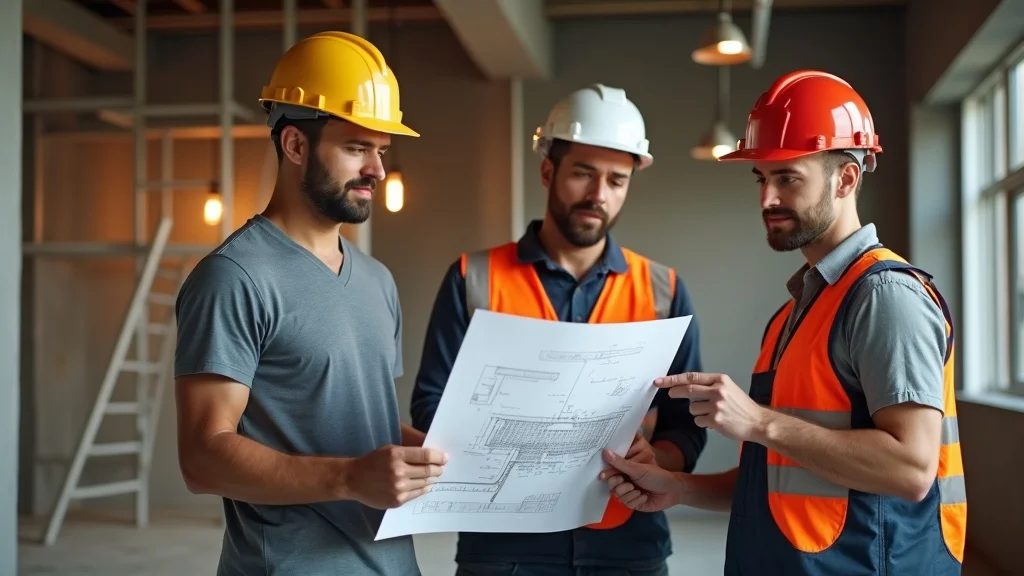
Quick Definitions: General Contractor vs. Commercial Contractor vs. Construction Contractor
-
General Contractor Responsibilities: Oversees all aspects of the construction project, hires and manages subcontractors, and coordinates project schedules.
-
Commercial Contractor Specialization: Specializes in projects for business environments—offices, retail, healthcare—requiring advanced code knowledge and complex logistics.
-
When to Use a Commercial Construction Contractor: For any commercial space where compliance, safety, and business continuity are critical, or when the project scope goes beyond basic renovations.
The High Stakes of Selecting a Commercial Contractor for Your Commercial Construction Project
“The wrong contractor in DTLA can stall your business for months — the right one keeps you on track and on budget.”
The cost of a misstep when selecting a commercial contractor extends far beyond your construction budget. Mismanaged commercial projects can result in drawn-out timelines, failed inspections, or even having to pause operations. Many business owners learn the hard way that commercial contractors are not all created equal; deep experience in projects similar to yours, and a history of quality work are non-negotiable. Also, your contractor must have a proven safety record—particularly on large construction projects in occupied buildings, where a single oversight can have legal and financial ramifications.
Reliable contractors thrive on attention to detail, clear project management, and exceptional communication. On the flip side, hiring an inexperienced contractor can quickly spiral into costly mistakes. The right contractor helps you navigate tight lead times, after-hours restrictions, permits, and city requirements to ensure your project launches on time—with no surprises.
Step-by-Step: How to Evaluate and Select a Commercial Contractor
Step 1: Outline Your Construction Project Scope and Priorities
The foundation of a successful project begins with a clear and honest evaluation of what you need—both now and into the future. Identify and document your must-haves (square footage, layout changes, accessibility needs) and nice-to-haves (designer finishes, smart technology, etc.). Setting tight parameters at this stage allows your construction contractor to provide accurate bids and helps avoid expensive change orders later.
Map out your anticipated project timeline, desired outcome, and any on-site logistical challenges (for example, after-hours access in a high-rise, or delivery constraints). This information gives potential commercial contractors a realistic sense of your expectations and helps weed out contractors unable to meet your requirements. Well-defined goals make it easier to keep projects on track from the outset.

Step 2: Shortlist General Contractors with Commercial Construction Experience
Once you have defined your project scope, build a shortlist of general contractors who have completed commercial construction projects like yours. Look for contractors with not just technical skill, but also a portfolio showing relevant commercial projects—such as transforming offices, retail spaces, or medical suites in comparable locations. Vetting experience in your metro area is especially important, since each city presents unique codes, logistical hurdles, and vendor relationships.
Ask about subcontractors, in-house trade skills, and whether they routinely work with tenant improvement timelines. Avoid generalists without proven commercial track records; an experienced construction contractor should readily provide case studies or references for projects similar to yours. Choosing seasoned commercial construction contractors reduces risk and increases the odds of a smooth project lifecycle.
Step 3: Assess Past Commercial Projects and References
Don’t just take a contractor’s word for it—request detailed references and visit completed commercial projects if possible. That’s the surest way to see the contractor’s quality work and standards in action. Ask specific questions about each reference’s project scope, how challenges were handled, and if the schedule and budget met expectations. Inquire about how well the contractor communicated changes, updates, and milestones.
Look for transparency in client feedback and clarity about what went well versus what could have been improved. An open, honest conversation with recent customers is the best litmus test for any general contractor or commercial construction contractor. Positive references not only prove capability, but also reveal the contractor’s attitude toward problem-solving and accountability.

Step 4: Dig Into Project Management Tools, Communication, and Safety Record
Ask how your construction manager plans to communicate—weekly site meetings, digital dashboards, or cloud-based documentation? Responsive communication is essential for catching issues early and keeping all stakeholders—tenants, brokers, property managers—in sync
Equally vital is a contractor’s safety record. Request evidence of safety training, insurance documentation, and recent safety metrics for commercial construction projects they’ve managed. A transparent safety record demonstrates not just regulatory compliance, but a commitment to protecting workers, visitors, and your property. Good contractors integrate safety and project management, reducing liability and minimizing costly disruptions.
What to Ask When Selecting a Commercial Contractor for Your TI Build-Out
-
What experience do you have in similar tenant improvements and commercial projects?
-
How do you handle permitting and city inspections in DTLA or my metro area?
-
What is your approach to project management and communication?
-
Can you provide a recent safety record and describe your safety processes?
-
How do you manage after-hours work and access constraints?
-
What is the average lead time for your construction projects?
-
How do you handle change orders and unforeseen commercial construction challenges?
“Good general contractors educate you up front instead of surprising you down the road.
Ask them to walk through their process, step by step.”
Red Flags and Warning Signs
-
Unclear or vague bids and project scopes
-
Lack of experience with commercial construction in your area
-
Poor safety record or missing insurance documentation
-
Inflexible scheduling or inability to handle after-hours work
-
Limited references for completed commercial construction projects
Local Considerations: Navigating Metro Challenges with Your Commercial Contractor

Permits, Inspections, and Access in Downtown LA
-
Logistics of delivering materials and equipment: Downtown areas often have tight delivery windows. Ask your contractor about advance scheduling, street closures, and elevator times for moving large loads.
-
Navigating city approvals for commercial construction projects: Timely permitting and smooth inspections are key predictors of a successful project. A local contractor knows city hall inside out and can preempt common snags.
-
Managing after-hours constraints and building access: Many commercial high-rises and retail spaces require work to be completed outside business hours. Choose a contractor who can coordinate crews, deliveries, and inspections beyond the standard 9-to-5.
Essential Questions to Ask Your Commercial Contractor: Printable Checklist
| Question | Why It Matters |
|---|---|
| What relevant commercial projects have you completed? | Shows experience with similar scopes and challenges |
| What is your safety record on construction projects? | Protects your timeline, liability, and staff |
| How do you communicate project status and changes? | Ensures transparency and fewer surprises |
| How do you handle unforeseen issues or changes? | Reveals flexibility and responsiveness |
Frequently Asked Questions
-
What’s the typical timeline for a commercial TI project?
Most tenant improvement projects range from a few weeks for smaller retail spaces to several months for large-scale office buildings or healthcare facilities. The exact duration depends on permitting, site conditions, and project management efficiency. -
How does a general contractor differ from a construction contractor?
A general contractor manages every aspect of the project, including subcontractors, schedules, and procurement, while a construction contractor may focus on specific trades or portions of the build. For TI projects, you want a general contractor with proven commercial experience. -
Is it better to use a local commercial construction contractor?
Yes. Local contractors bring vital knowledge of regulations, traffic, third-party vendors, and permitting processes specific to your city, all of which can avoid costly surprises and delays. -
What documents should I receive before the project starts?
You should receive a detailed contract, proof of insurance and licensing, a project schedule, and clear specifications for your TI scope. Don’t proceed without written confirmation of these items. -
What insurance and licensing should a commercial contractor provide?
Ensure your contractor holds all required state and city licenses, workers’ comp, general liability insurance, and, if needed, umbrella coverage for your type of construction project.
Key Takeaways

-
Always ask for proof of experience and a solid safety record.
-
Get clarity on scheduling, access, and communication methods.
-
Use a detailed checklist during your interviews and evaluations.
-
Borrow lessons from past commercial construction projects to avoid repeating mistakes.
Set yourself up for TI success: Email this list to your broker, project manager, or keep it handy for your next commercial project kickoff.