
Did you know? Over 80% of medical real estate buildouts exceed budget or schedule due to overlooked code and finish requirements
Medical Office Tenant Improvement: Why It Matters More Than Ever
Medical office tenant improvement is not a luxury—it’s a necessity in today’s healthcare landscape. With rising patient volumes, new technology, privacy expectations, and infection control requirements, medical office spaces are under more scrutiny than ever. Unlike traditional office space, medical users must prioritize functionality, safety, and code-compliance down to every surface, wall, and door. For care providers, brokers, and building owners, this means greater attention to detail on everything from cleanable finishes to specialized HVAC.
Regulatory bodies such as OSHA, the ADA, and HIPAA have heightened standards since the COVID-19 pandemic, making compliance a core concern for medical tenants. Build-out projects that overlook code-driven upgrades—like antimicrobial surfaces, negative pressure rooms, or acoustic privacy—risk expensive retrofits, inspection failures, and even patient safety issues. Add local realities, like Downtown LA’s strict permitting and after-hours access, and it’s clear: proper tenant improvements can directly impact a practice’s bottom line, reputation, and ability to provide medical services. Whether for an urgent care, dental office, or specialty care center, designing for today means planning for tomorrow’s standards—and costs.
“Over 80% of medical real estate buildouts exceed budget or schedule due to overlooked code and finish requirements.”
Understanding Medical Office Tenant Improvement in Changing Healthcare Real Estate
- Quick Definition: What is Medical Office Tenant Improvement?
Medical office tenant improvement (TI) refers to the customized renovations a landlord or tenant makes to adapt generic commercial or office space into fully functional healthcare environments. This includes building exam rooms, ADA restrooms, enhanced plumbing, specialty electrical, and above all, compliance with city and healthcare codes. It goes well beyond fresh paint—every material choice, from cleanable wall finishes to privacy doors and lighting, is driven by patient safety and regulatory needs, not just design trends.

- Key Context: Medical Office vs. General Office Space – Cleanability, Privacy, and Compliance Needs
Traditional office tenants focus on aesthetics and open plans, but medical space users must address infection prevention, acoustic privacy, and accessibility. Whether it’s exam rooms in a busy care center or an urgent care’s waiting area, the difference lies in robust surfaces (antimicrobial, non-porous), specialized ventilation, HIPAA-complaint layouts, and city-driven paperwork. The stakes are higher—mistakes cost more, and shortcuts can risk patient wellbeing.
What You’ll Learn About Medical Office Tenant Improvement
- The essential medical tenant improvement steps and why they matter
- Cleanable finishes, privacy options, and compliance: what these terms mean for your office space
- Real-world cost factors: TI allowances, reimbursable expenses, and often-missed details
- Checklists for planning, avoiding common pitfalls, and questions to ask your general contractor or property manager
Decoding Medical Office Tenant Improvement: Key Codes, Standards, and Trends
Privacy and Compliance: The Driving Forces of Medical Office Space Design
- HIPAA/ADA and State Codes Every Medical Tenant Should Know
For any medical office tenant improvement, HIPAA (Health Insurance Portability and Accountability Act) and the ADA (Americans with Disabilities Act) are non-negotiables. HIPAA mandates sound privacy—which means exam rooms, waiting areas, and reception desks must offer protection against conversations being overheard. The ADA ensures full accessibility via clear paths, compliant restrooms, and accessible counters for patients and providers with disabilities. Each state and city (especially in medical-rich markets like Los Angeles) adds its own construction, fire, ventilation, and seismic codes. Overlooking any of these requirements could slow approvals, inflate costs, or even halt operations.
- Cleanable Materials: From Surfaces to HVAC—What Stands Up to Real Clinical Use?
Cleanability is at the heart of every medical office renovation. Typical upgrades include vinyl walls, coved flooring (for “mop-up” edges), and non-porous solid surfaces. Modern HVAC must support frequent air exchanges (sometimes negative pressure for infectious disease control), while high-traffic zones demand antimicrobial coatings. Medical tenants should look for surfaces and finishes rated for repeated cleaning with harsh disinfectants—choices that keep providers, staff, and patients safe while meeting inspection standards.

- Metro Realities: Permitting, Approvals, and Unique Downtown LA Constraints
Urban markets, like Downtown LA, present unique hurdles for medical tenant improvements. Expect dense regulatory oversight, permit bottlenecks, and strict inspection windows. After-hours construction may be needed to avoid disrupting care centers or neighboring medical offices, and logistics can be tricky due to tight loading zones or minimal on-site storage. Factor longer lead times for specialty medical equipment, city approvals, and site access—especially if your office building shares space with other healthcare providers or office tenants.
Step-by-Step: Planning Your Medical Office Tenant Improvement
Initial Assessment: What Medical Tenants Must Audit Before Signing
- Checklist: Key Elements to Review in Medical Office Space for Tenant Improvements
Before signing a lease or finalizing a space, every medical office tenant should complete a detailed audit. Inspect whether the base building’s electrical, HVAC, plumbing, and restroom infrastructure meets medical-grade requirements. Verify that the landlord’s “as-is” condition allows for private exam rooms, ADA access, specialty IT wiring, and upgraded ventilation systems, all while considering the needs of your specific medical practice. Early assessments prevent expensive changes later—and ensure that TI allowances align with actual project scope.
Buildout Process Timeline and Lead Times in Medical Real Estate
- Access, Logistics, and After-Hours Restrictions in Busy Metro Medical Tenant Locations
Medical office tenant improvements rarely happen overnight. Factor at least 12–20 weeks from permit approval to move-in, plus time for city reviews, value engineering, and specialty inspections. In busy or multi-tenant medical buildings, logistical hurdles—like limited elevator access, after-hours work requirements, and dust/noise control—can slow progress further. Proactive scheduling and regular communication with your general contractor, property manager, and city officials keep your project on track, even when unforeseen delays occur.

Medical Office Tenant Improvement Allowance: Navigating Your Budget
Typical Tenant Improvement Allowance: What to Expect for Medical Tenants
“Tenant improvement allowance is usually quoted per square foot, but actual needs will vary by practice type and code demands.”
Most landlords provide a tenant improvement allowance (TIA) as an incentive to attract tenants to medical office space. For medical tenants, TIA often ranges from $30 to $60 per square foot, but it’s rarely enough for complex upgrades like negative pressure rooms or lead shielding in imaging suites. Always get a detailed, line-by-line breakdown and insist on contingencies for additional code-driven requirements. Negotiate for clarity in your lease agreement on what the allowance covers—and what costs you might have to cover out-of-pocket.
| Market | Low End (per sq. ft.) | High End (per sq. ft.) | Notes |
|---|---|---|---|
| Downtown Los Angeles | $35 | $60+ | Higher code/construction costs, strict inspections |
| Suburban LA/Orange County | $25 | $45 | Faster approvals, less complex buildouts |
| San Fernando Valley/Inland Empire | $20 | $40 | Lowest cost, fewer code barriers |
Comparing $40 Tenant Improvement Allowance: Real Value and Buying Power
- What Does Tenant Improvement Cover? Must-Haves vs. Upgrades
A $40 per square foot allowance, a common benchmark, can fund basic finishes and minor reconfiguration—but for medical office space, that budget is often consumed by code requirements, exam room plumbing, ADA restrooms, and cleanable materials. “Must-haves” cover all code-mandated items like non-porous walls, patient privacy upgrades, and mechanical systems. “Upgrades” could include custom millwork, specialty lighting, or state-of-the-art acoustic doors. Medical tenants should prioritize essentials, then negotiate for landlord-supplied upgrades wherever possible, understanding that TI dollars rarely stretch far in a healthcare buildout.
Selecting Finishes for Medical Office Tenant Improvement: Cleanable and Code-Ready
- Wall, Flooring, and Ceiling Materials: What is ‘Cleanable’ and Why It Matters for Healthcare Providers
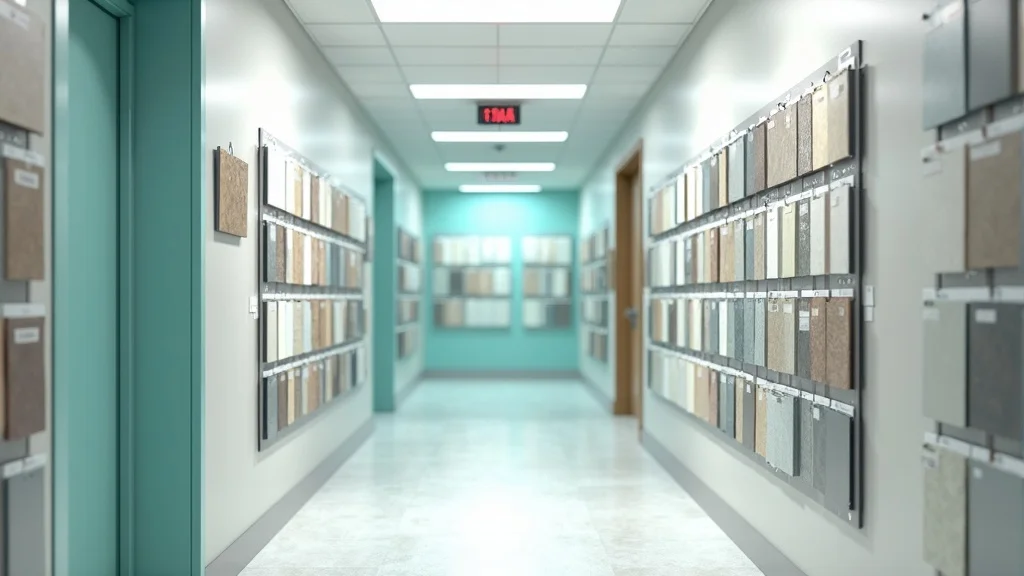
The best medical office tenant improvements use finishes engineered for infection control. On walls and floors, choose seamless, non-absorbent materials: sheet vinyl, epoxy, or antimicrobial paint. Ceilings in exam rooms should resist moisture and allow easy cleaning. These selections directly impact patient safety, staff workflow, and compliance with healthcare provider standards. Durable, cleanable surfaces support long-term use and reduce costly downtime for repairs or maintenance.
- New Trends: Antimicrobial Surfaces, Negative Pressure, and Enhanced Privacy
Recent years have introduced that every new buildout considers trends like antimicrobial countertops, touchless doors, and negative-pressure exam rooms for infection control. Enhanced privacy, achieved through acoustic insulation and frosted glazing, is now standard in new tenant improvements. Care providers are also prioritizing more open staff workstations built with protective barriers and upgraded ventilation to safeguard both patients and teams.
- Red Flags: Material Choices That Can Blow Your TI Allowance
Beware of encasing traditional office materials hoping to save money. Carpeting, porous wood, or anything requiring sealed grout can quickly fail inspections—or become breeding grounds for pathogens. These “value” options often result in do-overs that can break the budget. Insist on detailed drawings and samples from your general contractor before ordering finishes to avoid costly errors.
Privacy in Medical Office Tenant Improvements: Best Practices by Design
- Acoustic Insulation, Door Hardware, and Patient Flow in Office Space
Privacy in a medical office space starts at the blueprint level. Advanced acoustic insulation in walls, solid doors with sweep bottoms, and upgraded door hardware can dramatically reduce sound transfer from exam rooms and offices. Patient and provider flow—the pathways people take between waiting areas, exam rooms, and offices—should be designed for both privacy and efficiency. This supports HIPAA compliance and builds patient trust in your facility.
- Balancing Privacy with Staff Visibility for Care Providers
Today’s healthcare providers expect design solutions that keep sensitive patient information and conversations confidential, while also ensuring clinicians can easily support one another and monitor traffic. Thoughtful layouts use partial glass, visual cues, and sight lines, so staff remain in control without risking privacy breaches. Modern medical offices achieve this through carefully chosen door types, privacy film, and flexible workspaces.

- ADA, HIPAA, and City-Driven Documentation for Medical Office
Finally, every tenant improvement for medical offices requires thorough documentation. Inspections for ADA compliance, HIPAA privacy partitions, and city certificates must be passed before occupancy. Maintain a digital folder of all plans, permits, and material specs to quickly address landlord, inspector, or future tenant needs down the line.
Checklist: What to Ask Your GC, PM, or Landlord About Medical Office Tenant Improvement
- 10 Key Questions Every Medical Tenant Should Ask About Tenant Improvements
What dollar amount is the tenant improvement allowance, and what is excluded? Will the allowance cover code-compliant exam rooms, ADA bathrooms, and specialty HVAC? How long will city permitting, approvals, and inspections take for this office building? What after-hours or weekend work is required (and who pays for it)? Are cleanable finishes and infection control upgrades included—or will these be extra? How are change orders, inspection failures, or city “redlines” handled? Can the allowance be used for medical equipment, data cabling, or exterior signage? Will I receive copies of as-built plans and compliance certificates at project close? What warranties or maintenance is included for installed finishes and equipment? Who coordinates the final walk-through and handoff for state or city health inspections?
- Project Management Tips: Aligning Schedules, Inspections, and Medical Office Requirements
Assign a team member or advisor to track every schedule—permits, inspections, material deliveries, and occupancy deadlines. Weekly status updates with your GC or landlord, plus buffer time for unknowns, keep expensive surprises at bay. Remember: medical office tenant improvement is a team sport—one missed detail can mean costly rescheduling or rework.
People Also Ask: Medical Office Tenant Improvement FAQs
What is a typical tenant improvement allowance?
- Answer: Typical TI allowances for medical office space range widely but average $30–$60 per square foot, depending on location, medical specialty, and negotiated terms. Know what’s included—demo, new mechanical/electrical, finishes, and compliance costs—and where you may need extra funding.
What is a $40 tenant improvement allowance?
- Answer: A $40 TI allowance is an industry budgeting benchmark—enough for basic office updates but often insufficient for medical tenant upgrades like high-grade plumbing, lead-lined walls, or specialty compliance. Always request a detailed cost breakdown.
What is an example of a tenant improvement?
- Answer: Examples include new exam room buildouts, ADA-compliant restroom additions, updated HVAC for infection control, custom cabinetry for healthcare providers, or new privacy partitions—all code-driven and required in most medical tenant improvements.
What does tenant improvement cover?
- Answer: Tenant improvements cover everything from new walls, flooring, lighting, and plumbing to signage, IT/data cabling, and systems upgrades to align with medical office code and healthcare provider standards.
Lists and Red Flags: Best Practices for Medical Office Tenant Improvement
- Best Practice List: Top 7 Success Factors in Medical Office Tenant Improvements
- Confirm scope of work and code requirements before lease signing
- Prioritize cleanable, durable, code-approved finishes
- Negotiate a sufficient tenant improvement allowance for specialty needs
- Insist on early and recurring progress walkthroughs
- Document all change orders and approvals in writing
- Schedule buffer time for city/health department inspections
- Keep a digital archive of plans, permits, warranties, and compliance docs
- Watch List: 5 Most Common Budget-Busters in Medical Office TI
- Choosing general office materials that don’t meet health regulations
- Skipping early code/permit review consultations
- Underestimating lead times for specialty fixtures or equipment
- Unexpected after-hours costs (for noise control in mixed-use buildings)
- Rushing the final punch-list—overlooking privacy and ADA details
Sample Video Walkthrough: Medical Office Tenant Improvement Before & After
Checklist: Medical Office Tenant Improvement Questions to Email Your Broker/GC
- Step-by-Step Email Template: Get the Essential TI Answers Before You Commit
What is the total tenant improvement allowance and what exact improvements are included? How will you ensure all finishes/materials are code-approved and cleanable? Are architect and city submittal fees part of the allowance? What documentation will I receive for code compliance and occupancy? What’s the planned construction timeline, and who handles city scheduling? If we need after-hours work or special permits, who pays and who arranges? Is there contingency if costs exceed allowance, and how are change orders handled? How will delays affect the lease commencement or rent abatement? When and how will training for new systems (HVAC, access) be provided? Can I use part of the allowance for equipment, cabling, or external signage?
FAQs on Medical Office Tenant Improvement
- How long do typical medical office tenant improvements take to finish? Most projects require at least 3–5 months from start to finish, accounting for design, permits, city approvals, construction, and inspections. Specialized medical space can extend this to 6 months or longer.
- Are cleanable finishes required or just a best practice for healthcare providers? Cleanable finishes are required by most health, OSHA, and state codes for exam rooms, public spaces, and restrooms in medical office space — not just a suggestion.
- What code changes have impacted medical tenants most in the last 5 years? COVID-era shifts brought higher ventilation rates, aggressive infection control protocols, more ADA requirements, and stricter privacy rules on new medical facility buildouts.
Key Takeaways from Medical Office Tenant Improvement
- Factor code-driven upgrades and cleanable finishes into every planning phase
- Review the TI allowance line by line so costs and compliance are never a guess
- Start communications early with GCs, PMs, brokers, and city inspectors
- Document every approval, finish, and inspection for peace of mind—and future use