
Did you know over 30% of tenant improvement projects experience change orders that add 7-10% to the original budget? For tenants, small business owners, and property managers, construction change orders in tenant improvements aren’t a rare headache—they’re the rule, not the exception
Staggering Stats: Construction Change Orders Are More Common Than You Think
“On average, more than 30% of tenant improvement projects experience change orders that add 7-10% to the original project budget.”

If you’re prepping for a tenant improvement project, prepare for surprises. Market data shows that change orders aren’t just a paperwork hassle—they represent real money and time. Over a third of tenant improvements hit with these changes see costs balloon by 7-10% over original estimates, creating stress for tenants, brokers, and first-time commercial owners alike. Ignoring the risk can endanger your schedule, your budget, and even your business operations. That’s why understanding what triggers construction change orders tenant improvement is essential for a successful tenant improvement project.
What You’ll Learn About Construction Change Orders and Tenant Improvement
- Definition of construction change orders and tenant improvement projects
- Common causes of change orders in tenant improvements
- How to minimize risks and control costs
- Key red flags to watch for during the improvement process
- Essential questions for your general contractor, project manager, landlord, or broker

Construction Change Orders and Tenant Improvement: A Quick Definition
What Is a Tenant Improvement Project?

A tenant improvement project refers to the customized renovations made within a leased commercial space to suit the needs of a specific occupant. Whether it’s transforming raw office space into a new headquarters or reimagining a showroom for a growing retailer, these projects often involve interior construction, upgrades to facilities, or relocating walls and systems within the existing space. Every tenant improvement changes the landscape of the leased area—so the construction process needs careful planning, clear communication, and an awareness of possible hiccups along the way, like change orders.
What Is a Construction Change Order?
“A change order is a formal modification to the original construction contract, documenting any alteration in scope, cost, or schedule.”
Simply put, a construction change order is an official document that amends the original contract between the tenant, landlord, and general contractor (GC). Change orders capture anything that adjusts what’s being built, how much it costs, or how long it’ll take—whether it’s a material upgrade, surprise infrastructure issue, or schedule shift due to permitting delays. These documents protect all parties by formally recording the new agreement and tracking the impact of each change, keeping the improvement process transparent and easier to resolve if disputes pop up later.
Why Construction Change Orders Matter in Tenant Improvement Projects
- Financial Impact: Unexpected costs to tenants and owners
- Schedule Disruptions: Extended timelines
- Quality Control Risks: Compromises in deliverables
- Metro-Specific Challenges: Logistics, access, local building codes (with focus on DTLA)

When a change order hits your tenant improvement project, it does more than shuffle paper.
Financial impact lands first, as change orders directly translate to cost overruns—unexpected costs that neither tenant nor owner planned for at the outset. Many first-time tenants underestimate just how fast small changes can snowball into tens of thousands in extra expenses.
Schedule disruptions come next. Every modification, no matter how minor, adds steps in the construction process, potentially delaying move-in dates and pushing out your business operations. For busy commercial environments like Downtown LA (DTLA), where every day counts, these can be mission critical.
Last, quality control risks can creep in, with rushed fixes or quick switches leading to compromised deliverables—not to mention the unique building codes and logistical headaches in dense metro areas. No two improvement projects are ever truly the same, so mastering the change order process is the key to a successful tenant improvement experience.
The TI Process: Where Change Orders Sneak In
From Lease Negotiation to Punch List: The Stages Where Changes Occur
| Stage | Common Change Orders |
|---|---|
| Lease Agreement | Scope clarifications, landlord work |
| Design Development | Code compliance updates, unforeseen conditions |
| Permitting | Building permit delays, changes required by city |
| Construction Phase | Material lead times, after-hours work |
| Punch List | Final fixes, inspection requirements |
“Most change orders are rooted in miscommunication between the GC, tenant, and landlord during early phases of the tenant improvement process.”

Change orders sneak into the tenant improvement process in several stages. Even at the lease negotiation stage, ambiguous language around scope or responsibilities can surface later as “surprise” costs. During design development, shifts to building code compliance or discovery of unforeseen site conditions can spark new work that’s not included in your original contract. Permitting creates its own headaches—delayed or rejected building permits might force plan changes, triggering both delays and costs. Once the construction phase kicks off, everything from material backorders to overtime work might surface as a change order, and the final punch list inspections sometimes reveal missed details that require immediate fixes. Getting ahead of these requires field verification, realistic allowances, close partnership with your general contractor and project manager, and strong communication from day one.
Three Common Reasons for Change Orders in Construction Tenant Improvements
1. Unforeseen Site Conditions

Despite careful planning, old infrastructure or hidden building conditions can stop your improvement project in its tracks. Maybe outdated wiring is lurking behind drywall, or the structural framing doesn’t match the as-built drawings on file. These unforeseen site conditions trigger immediate adjustments—meaning new materials, new schedules, and new costs. Because site surprises are hard to predict, it’s critical to verify the existing space (either with pre-demo walkthroughs, laser scans, or a third-party engineer) before locking in final drawings. In projects where tight deadlines exist, like those in DTLA’s high-rise market, any site discovery can have a snowball effect on both timeline and budget, especially when linked to the building permit and compliance requirements.
2. Design or Scope Changes by Tenant
The key? Insist on regular communication with your project manager and record every change in writing before work begins
3. Building Code or Permit Issues
- Example: Building codes not updated in initial plans
- Variations in ADA, fire life safety, or electrical requirements
No two jurisdictions handle building codes or permits the same way. Sometimes, new codes take effect right as you submit your plans; other times, a city inspector will require more ADA upgrades or fire/life safety systems than initially scoped. These building code surprises demand new materials, labor, and inspection—a surefire recipe for a formal change order. In places with complex rules, like Downtown LA’s historic districts, plan check offices may even add their own requirements mid-process. Double-check your construction contract and work with local consultants who know the real-life code enforcement quirks before you finalize your drawings or start the permitting process. This will help keep both delays and cost spikes under control.
Watch: Short explainer: ‘Why Change Orders Happen in TI Projects’ — see common derailers and how proactive planning brings your project back on track.
What Should Be Included in a Change Order?
- Clear description of change (scope, location, reason)
- Detailed cost breakdown and contingency impacts
- Revised project schedule and affected milestones
- Signatures from tenant, landlord, GC/project manager
“A well-written change order is your best protection against future disputes on your tenant improvement project.”

A complete construction change order tenant improvement form is your proof that every stakeholder understands the modification. The document should precisely define what work is being changed (scope, locations, and the “why”), spell out impact on costs (materials, equipment, contingency funds), revise the project schedule if necessary, and include formal signatures from all key players. Skipping any item exposes you to confusion and possible clashes later—especially if ownership or project management changes hands midstream. For every successful tenant improvement project, document your change orders as meticulously as your lease agreement itself.
How to Control Construction Change Orders
- Set clear scopes early and document everything
- Line-item your tenant improvement allowance and costs
- Insist on regular construction progress meetings
- Hire locally-experienced design and build teams (especially for DTLA logistics and building permits)
- Use checklists before signing any change order

Preventing unnecessary change orders isn’t all about luck—it’s about process. First, define your improvement project scope with laser precision and document every detail, from materials to expected finish levels. Request line-item breakdowns of your ti allowance so you know exactly what’s included (and what isn’t). Demand regular construction meetings (weekly in busy metros), where you, the project manager, and the GC review progress and flag any issues together. When you hire, focus on teams with proven DTLA or local experience, who understand permitting lead times and logistics particular to your area. And before you sign any change order, run it past a checklist. Detail and diligence upfront mean fewer surprises later—but if surprises come, you’ll be ready.
High-Risk Triggers for Construction Change Orders in Tenant Improvements
- Poorly defined improvement project scopes
- Delayed building permits or last-minute code updates
- Materials with long lead times or supply chain delays
- Lack of field verification before starting the construction process
“The sooner you ask about site conditions and code compliance, the fewer unwelcome surprises during your tenant improvement project.”
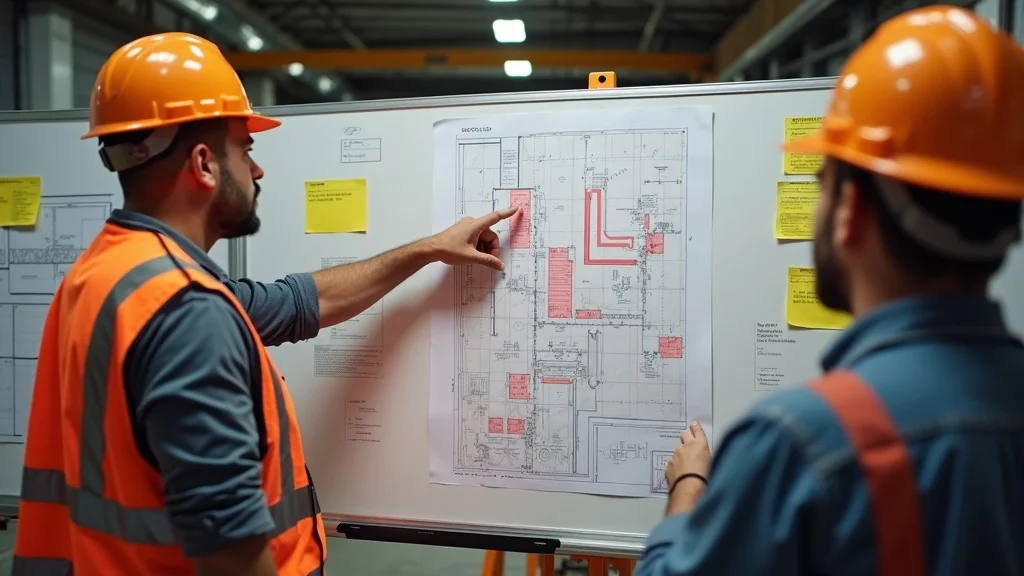
The biggest and most preventable red flag? Skipping on-the-ground field verification before demolition or construction start
Essential Questions to Ask Your GC, PM, or LL About Construction Change Orders
- What is the process for requesting and approving change orders on this tenant improvement project?
- How are change order costs tracked and communicated?
- How often will progress meetings address potential changes?
- What are the contract allowances and contingencies?
- How have building permits or local code changes affected similar TI projects here before?

Ask your GC for their step-by-step process for change order approval: Who signs? How fast can you get pricing? How will you track and document changes? Discuss with your project manager how often project meetings will address changes and what tools you’ll use to flag escalating costs in real time
Local Insights: Managing Construction Change Orders on Downtown LA Tenant Improvements
- After-hours work and site access constraints in DTLA
- Unique building code checks for historic properties
- Local permit office schedules and inspection lead times

Downtown LA tenant improvements add a special layer of challenge. After-hours work (often needed for access restrictions or city noise ordinances), complex logistics for moving large equipment, and historic building code overlays can all extend the improvement process and multiply change order risks. You’ll also navigate longer inspection lead times and fluctuating permit office schedules, which can impact the project schedule. Hiring local consultants and contractors familiar with DTLA’s quirks can save you untold headaches—and money—over the life of your construction project.
FAQs: Construction Change Orders in TI
What is a tenant improvement in construction?
“A tenant improvement is a customized renovation within a leased commercial space, tailored for the occupant’s needs.”
Tenant improvement, or TI, refers to the alterations a tenant makes to leased space to suit their business needs. This could be anything from installing private offices, new lighting, or specialty HVAC to creating custom retail layouts. The tenant improvement process should be carefully defined in your lease agreement and construction plans to prevent disputes and control costs.
What are the three common reasons for change orders in construction projects?
- Unforeseen existing conditions onsite
- Design or specification changes during construction
- Building code requirements or permitting issues uncovered after work begins
The top triggers for change orders are discoveries (like asbestos or old wiring), requests for different materials or layouts, and unexpected code upgrades requested after construction has started. Planning ahead can prevent much—but not all—of these.
What should be included in a change order?
- Scope, reason, cost, timing, and formal sign-off for testing, demo, labor, materials, and permits
Every change order should clearly state what’s being changed and why, total associated costs (with breakdowns), impacts to the schedule, and approval from the tenant, landlord, and GC/PM. Omissions or unclear items in a change order are a common root of dispute and cost overruns.
What is a reasonable tenant improvement allowance?
“A typical TI allowance ranges from $35 to $65 per square foot, but complex spaces may require up to $120 per square foot in premium metros like DTLA.”
Your TI allowance should cover the quality and complexity of the space you want. Standard offices might see $35–$65 per square foot, while highly-custom, tech-heavy, or historic property spaces (especially in cities like LA) can run much higher. Always double-check what’s included in your allowance to avoid hitting limits early.
Key Takeaways
- Preparation and communication prevent costly change orders
- Local expertise saves time and money
- Every change order should be a transparent, signed agreement with a clear cost and time impact
Further Reading and Helpful Resources
- City of LA Building Codes portal
- Sample TI change order template (PDF) – COMING SOON
- Guide: Navigating the permit process in DTLA