Did you know? “TI” can mean anything from fresh paint to a full rebuild—and the difference can change your budget and move-in date by months?
A Surprising Look at Tenant Improvement: Unlocking Value in Commercial Real Estate
When most people think of tenant improvement, they picture fresh paint and new carpet. But in commercial real estate, TI is much more—and proper planning could mean the difference between a thriving business or headaches from day one. Whether you’re a tenant moving into a new commercial property, a broker negotiating a complex lease agreement, or a property owner looking to attract top-tier tenants, understanding TI is essential. From design, city approval, code compliance, buildout, and everything in between, tenant improvements are at the core of making spaces work for real business operations.
A well-executed tenant improvement project not only increases property value, but also serves as your business’s launching pad—tailoring every outlet, fixture, partition, and amenity to your specific needs. But with high stakes come pitfalls: missed deadlines, underbudgeted allowances, and code obstacles can catch even seasoned pros off guard. Here’s how to make tenant improvement work for you, not against you.

What You’ll Learn About Tenant Improvement and Tenant Improvements
- Precise definition of tenant improvement in commercial real estate
- Key stages and stakeholders in a tenant improvement project
- Common examples and costs
- Typical pitfalls and how to avoid them
- Questions to ask your broker, GC, or property manager
Tenant Improvement Defined: The Basics for Real Estate Stakeholders
What is Tenant Improvement in Commercial Real Estate?
Tenant improvement (often called “TI” or “build out”) refers to the customized modifications, renovations, or upgrades made to a leased space by or for a commercial tenant. These changes make the rental space suitable for the tenant’s unique business operations, ranging from installing private offices and conference rooms, to specialized plumbing for a dental clinic, or setting up a full restaurant kitchen. Unlike routine maintenance or generic repairs, tenant improvements are designed specifically to serve a tenant’s goals—and are usually negotiated in the lease agreement with cost-sharing between the property owner and tenant via a tenant improvement allowance (TIA).
In practice, a tenant improvement project can include everything from new lighting, flooring, restrooms, or ADA ramps to upgraded HVAC or digital infrastructure for hybrid offices. The improvements are often permanent or “fixed” to the property, but how cost, scope, and ownership are handled will depend on your specific lease term and careful negotiation with the landlord and general contractor.

“Tenant improvement is more than paint and carpets—it’s how your commercial space becomes your business’s home.”
Tenant Improvement vs. Leasehold Improvement: What’s the Difference?
A common point of confusion in commercial real estate is the overlap between “tenant improvement” and “leasehold improvement.” Broadly, both terms describe alterations made to a leased property to meet the tenant’s needs, but there’s a subtle distinction:
- Tenant improvements are typically initiated by the tenant based on their requirements, and may be funded in whole or part by the landlord through a TIA.
- Leasehold improvements is a broader accounting term which covers any enhancement made to the leased space, including landlord upgrades or modifications left from previous tenants.
Typical Stakeholders in a Tenant Improvement Project
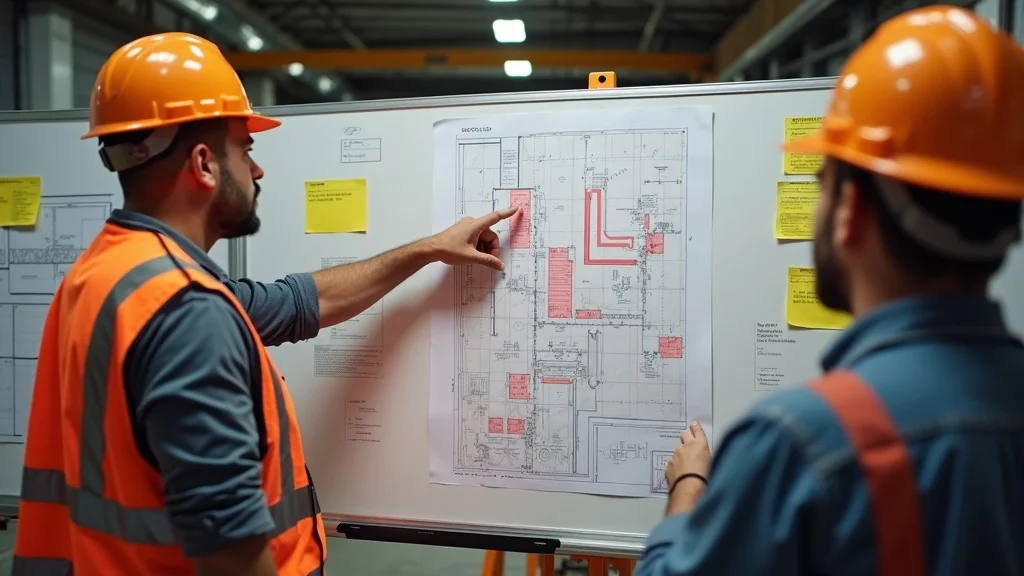
A successful tenant improvement project requires a collaborative approach. The key players often include:
- Tenant: Defines functional requirements and approves designs.
- Landlord / Property Owner: Controls budget, approves construction methods, and may oversee tenant improvement allowance disbursement.
- General Contractor (GC): Manages the physical improvement construction.
- Architect and Engineers: Design the layout and ensure plans meet local building codes.
- Brokers and Property Managers: Facilitate communication and clarity across all parties, especially in lease negotiation.
A tight working relationship among all stakeholders minimizes miscommunication, helps avoid cost overruns, and keeps the tenant improvement construction on schedule.

Why Tenant Improvement Matters in Commercial Property
Benefits of Tenant Improvements for Tenants and Owners
Properly executed tenant improvements boost business productivity and employee satisfaction, attract quality tenants, and enhance the overall value of a commercial property. For tenants, a customized space means more streamlined business operations, efficient workflows, and a unique brand footprint from day one. For landlords and property owners, upgraded spaces fill vacancies faster and command higher rents, while competitive improvements can differentiate a building in crowded commercial real estate markets.
Long-term, tenant improvements are also a signal of commitment—tenants that invest in specialized improvement projects are more likely to sign longer lease terms, reducing turnover. It’s a win-win: improved functionality for tenants and increased property value (and rent roll) for owners.
Impact of Building Codes and City Requirements on Tenant Improvement
No tenant improvement construction happens in a vacuum—every change to your space is subject to local building codes, fire, health, and accessibility requirements. These regulations influence everything from lighting and HVAC to ADA compliance and seismic retrofits. Missing a code requirement can trigger costly design changes, approval delays, or (worse) failed inspections, so it’s essential to work with architects and contractors who know your city and county’s rules inside and out.
Many TIs hit roadblocks during permit review or inspection due to overlooked code details, especially when adapting older buildings for new uses. Be sure to clarify who is responsible for securing permits and how code-related surprises will be handled in your construction contract.
Local Considerations: Tenant Improvement in Metro Areas like DTLA
Undertaking tenant improvement projects in bustling metro areas like Downtown LA (DTLA) adds layers of complexity: after-hours work restrictions, limited freight elevator use, strict parking or delivery windows, and neighbor impact concerns. These variables can stretch lead times and increase both hard and soft costs. Local inspectors may require more documentation, and city planning departments could take longer to issue sign-offs than in suburban settings.
In metro locations, always account for logistical realities when planning your improvement project: check if after-hours construction is allowed, clarify lead times for finish materials, and budget for possible extended city approvals or delayed inspections. If your contractor is new to the market, make sure they are briefed on these local nuances—otherwise, you could face frustrating slowdowns and rising expenses.
The Typical Tenant Improvement Project: Step-by-Step
Common Examples of Tenant Improvement Construction
Some of the most common examples of tenant improvement construction in commercial real estate include:
- Office buildouts
- Retail fit-outs
- Restaurant conversions
- ADA upgrades
- Infrastructure (HVAC, lighting)
For instance, a vanilla shell (unfinished) office might be converted into an open-plan tech workspace with glass offices and collaborative areas. In retail, TIs often involve specialty lighting, branded finishes, and upgraded storefronts. Restaurants may need venting systems, commercial kitchens, and dedicated washrooms—all with special code requirements. Even routine upgrades like new LED lighting or improved HVAC fall under the TI umbrella if they’re built for a particular tenant’s use.

Understanding Tenant Improvement Allowance (TIA) and Budgeting
The backbone of any tenant improvement deal is the tenant improvement allowance (TIA)—the amount of money a landlord offers a tenant to cover the cost of customizing the space. TIA is usually expressed in dollars per square foot. Depending on the market, property class, and specifics of the commercial lease, allowances can range from $10/sf in some industrial settings to more than $60/sf for Class A office space in gateway cities.
Negotiating a sufficient TI allowance is critical: if it’s too low, tenants must plug the gap with their own funds. If it’s generous, the landlord may build it back into the rent or try to recoup it through the lease term. A thorough review of actual improvement needs and honest budgeting discussions with your broker or contractor, can help avoid budget shortfalls.
| Market / City | Office (per square foot) | Retail (per square foot) | Industrial (per square foot) |
|---|---|---|---|
| Nationwide Average | $35–$50 | $20–$35 | $10–$15 |
| Downtown LA (DTLA) | $40–$60 * | $28–$45 ** | $12–$18 *** |
| San Francisco | $50–$65 * | $32–$50 ** | $18–$22 *** |
* In trophy / gateway-market deals, total concession packages can push TI well into the low-to-mid $100s/SF (or more), especially on 7–10 year terms.
** Retail TI varies widely by use and delivery condition. Many deals trade TI dollars for free rent; restaurant/high-buildout uses and prime corridors can exceed these ranges.
*** Industrial TI is usually low for ‘warehouse-only’ space; higher figures typically reflect office buildouts, power upgrades, or flex space.
Step-by-Step Process: Tenant Improvement Construction Timeline
A typical tenant improvement construction project follows these core stages:
- Visioning & Needs Assessment: Tenant and broker define business needs and buildout goals.
- Space Planning & Design: Architects/engineers prepare plans based on function, code, and budget.
- Permitting & City Approvals: Plans are submitted to city for building code review and permits.
- Bidding & GC Selection: Contractors bid on the scope; a GC is chosen for the improvement project.
- Construction & Buildout: GC oversees demolition, construction, installation of finishes, and equipment.
- Inspections & Handover: Building inspectors approve the job; tenant receives the keys to their finished space.
Each phase has its own risks—budget inflation, city delays, material backorders, or scope disputes. Keep a tight paper trail, schedule ample buffer time for approvals, and confirm all costs up front to avoid unhappy surprises.
Red Flags and Common Pitfalls with Tenant Improvements
- Hidden costs and overruns
- Misaligned expectations between tenants, landlords, and GCs
- Building code and permit delays
- After-hours constraints in metro locations
Despite best intentions, many tenant improvement projects encounter costly missteps. The most frequent pitfalls include underestimating “soft” costs, like permitting or project management fees, or hitting hidden site conditions (e.g., asbestos, poor utility layout) that inflate expenses mid-project.
Discrepancies between what landlords consider “standard” improvements and what tenants expect can spark delays—always get project expectations in writing. Building code snags or city inspection holdups are especially common in older buildings or high-regulation urban cores. Finally, in urban centers, work-hour restrictions and limited delivery windows can significantly impact the schedule (and budget).

What to Ask Your General Contractor, Property Manager, or Landlord
- What scope qualifies for tenant improvement allowance?
- Who manages permits and inspections?
- How will change orders be handled?
- What are the lead times for required finishes and approvals?
To protect your interests in any tenant improvement project, ask targeted questions early and often. Confirm which items (walls, lighting, HVAC, special fixtures) are covered by your improvement allowance, and who holds responsibility for submissions and city interface. Discuss how change orders will be managed—unplanned tweaks are a common source of budget bloat. Lastly, clarify timelines for ordering materials and securing approvals, as these set the pace for your opening date.

People Also Ask About Tenant Improvement
What is an example of a tenant improvement?
Answer: An example of tenant improvement is converting vanilla shell office space into a customized dental clinic, including partitions, plumbing, specialized lighting, and ADA upgrades—all tailored to the tenant’s operational needs.
What is the meaning of tenant improvements?
Answer: Tenant improvements are modifications, additions, or upgrades a tenant makes to a rental space (with landlord approval) to suit specific business needs, often funded partly or wholly by a tenant improvement allowance.
What is a TIA in construction?
Answer: ‘TIA’ stands for Tenant Improvement Allowance—a budget the landlord offers to help cover the costs of customizing a commercial property for tenant use.
What is a typical tenant improvement allowance?
Answer: Typical tenant improvement allowances range from $10 to $120 per square foot depending on location, market dynamics, and property class; always confirm with your broker for current figures.
Frequently Asked Questions
- Are tenant improvements tax-deductible?
- How does tenant improvement affect my lease terms?
- What documents do I need for tenant improvement approval?
- Can unused tenant improvement allowance be applied to rent?
Key Takeaways
- Know your tenant improvement allowance and how to maximize it
- Always clarify project responsibilities and get commitments in writing
- Understand local codes and constraints for metro projects
What to Ask Your Broker or G.C.
- List your business’s “must-have” improvements (walls, HVAC, data, ADA, etc.)
- Request a written breakdown of what TI allowance covers—get landlord commitments in writing
- Clarify who owns project management, permitting, inspections, and punch-list signoff
- Establish timelines for material delivery, city reviews, and final move-in
- Email this checklist to your broker, landlord, or general contractor before lease signing
Conclusion: Making Tenant Improvement Work for Your Commercial Property Goals
With clarity, strategic questions, and attention to local realities, every tenant and owner can leverage tenant improvement to transform plain space into business-ready real estate.